Explore history through the digital collections of the Bangor Public Library and our community partners in Bangor, Maine
World War II Posters
Title
World War II Posters
Description
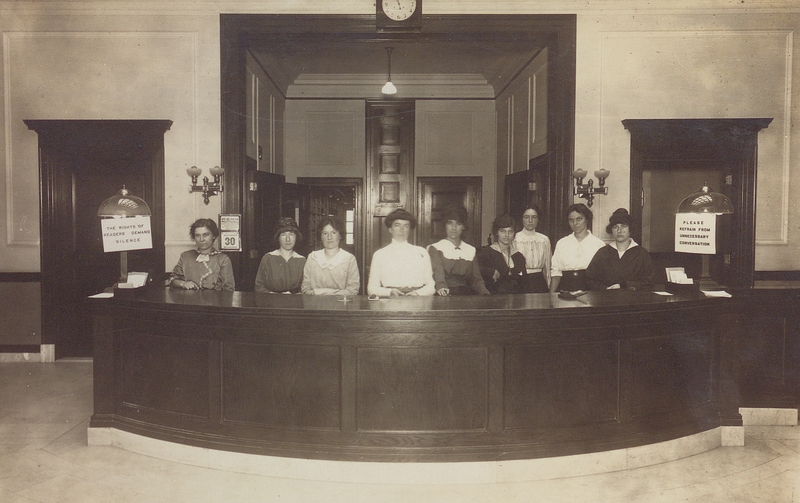
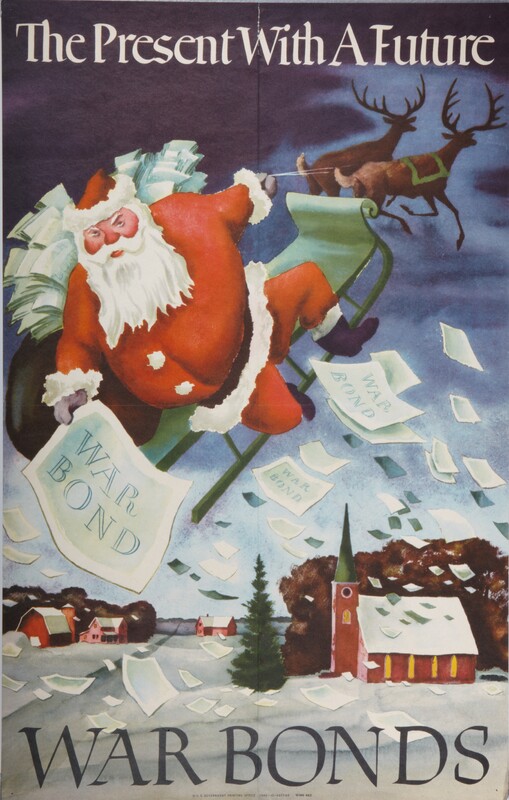
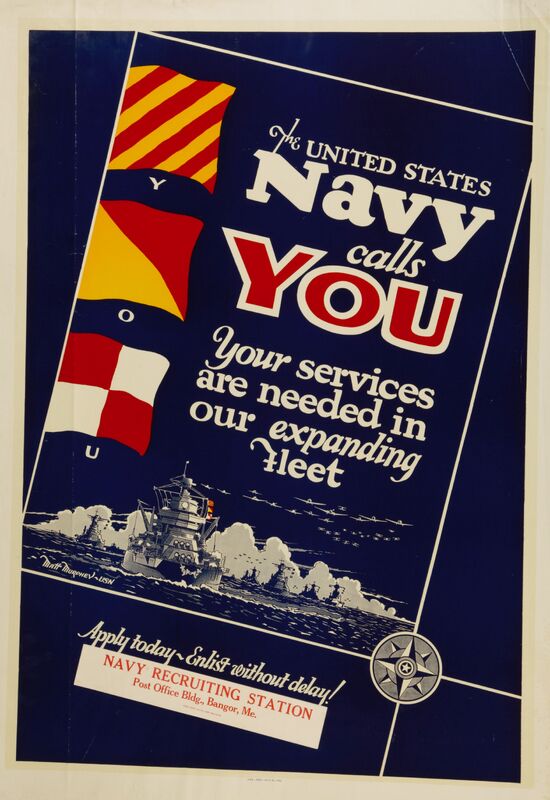
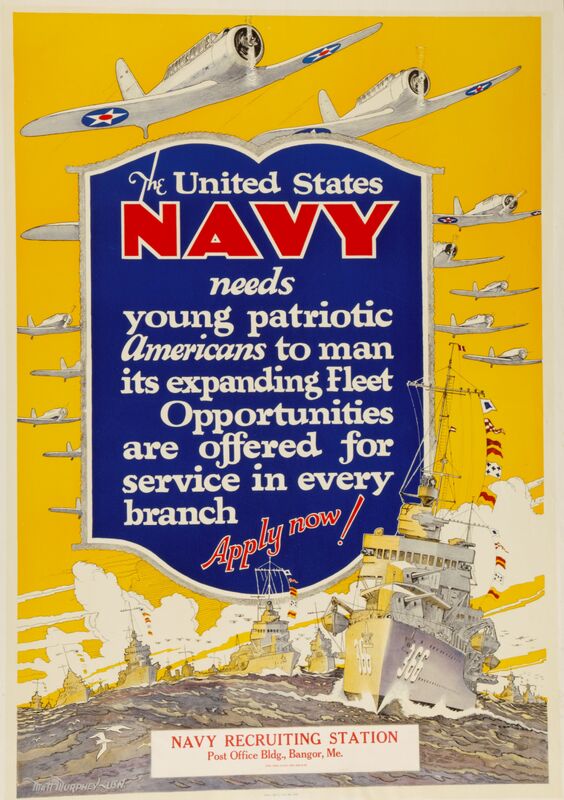
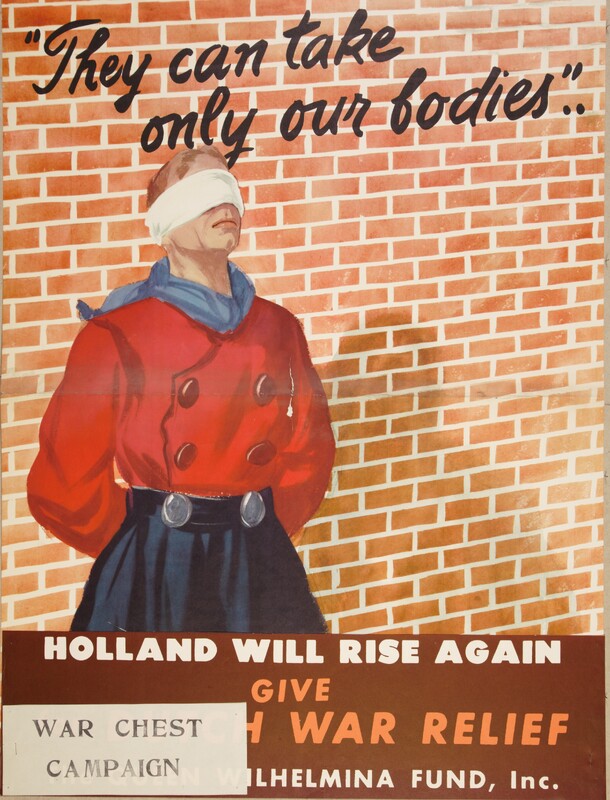
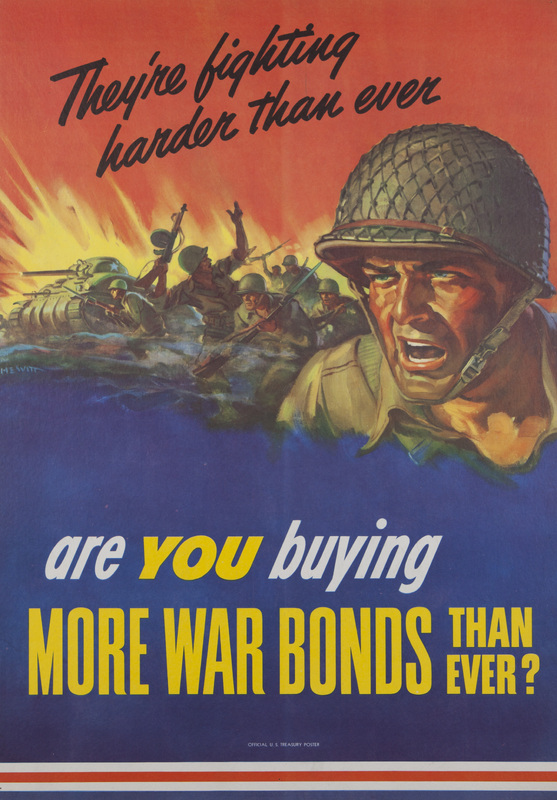
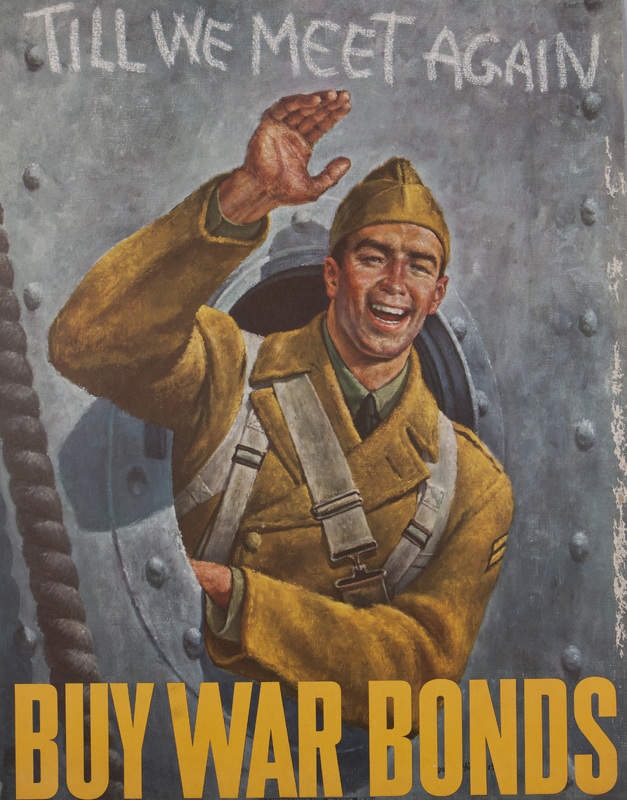
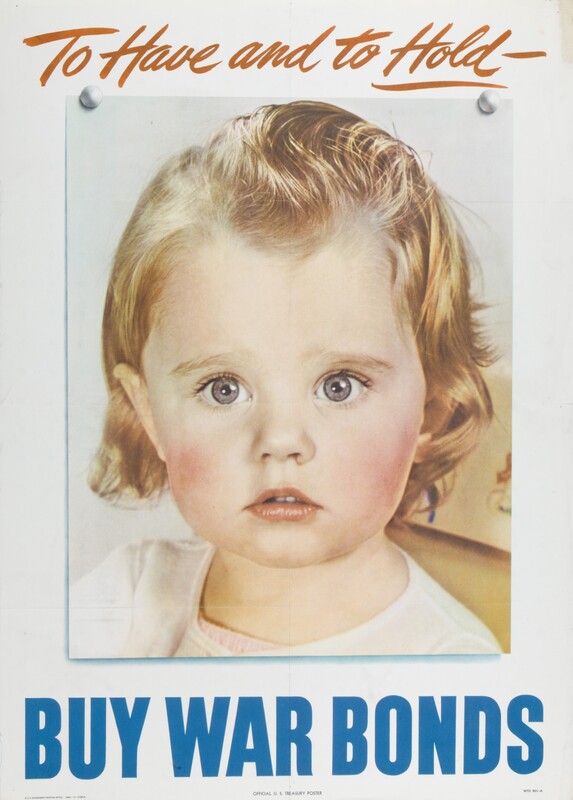
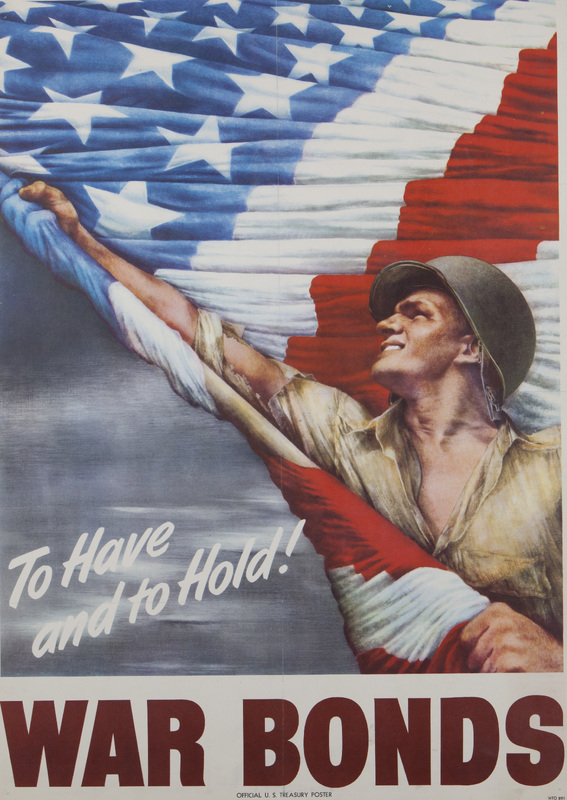
Posters used to promote the war effort among Americans on the home front. Bangor Public Library acquired its collection of war posters through the efforts of L. Felix Ranlett, a World War I veteran and librarian from 1937 to 1962. These posters were digitized through a collaboration with Raymond H. Fogler Library at the University of Maine with the support of Eugene and Barbara Daigle.
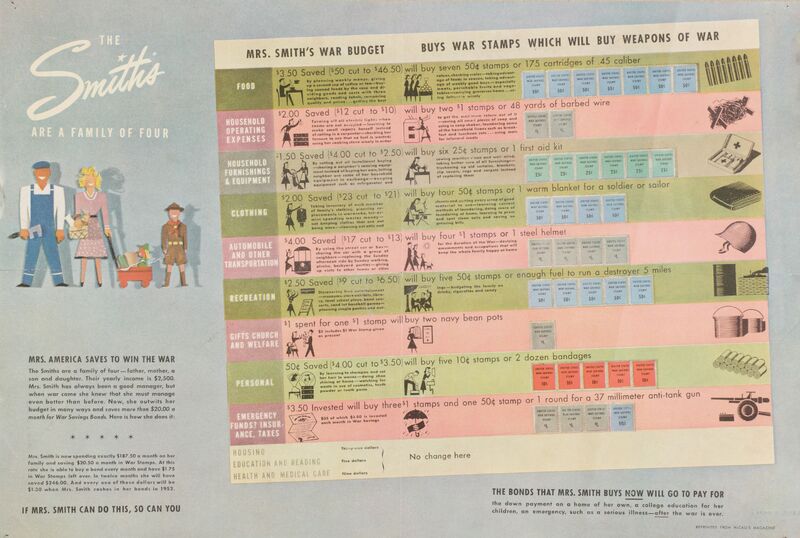
Mrs. America Saves to Win the War. The Smiths are a family of four--father, mother, a son and daughter. Their yearly income is $2,500. Mrs. Smith has always been a good manager, but when war came she knew that she must manage even better than before. Now, she outwits her budget in many ways and saves more than $20.00 a month for War Savings Bonds. Here is how she does it... Mrs. Smith's War Budget: Food ... Household operating expenses ... Household furnishings & equipment ... Clothing ... Automobile and other transportation ... Recreation ... Gifts, church, and welfare ... Emergency funds, insurance, taxes.
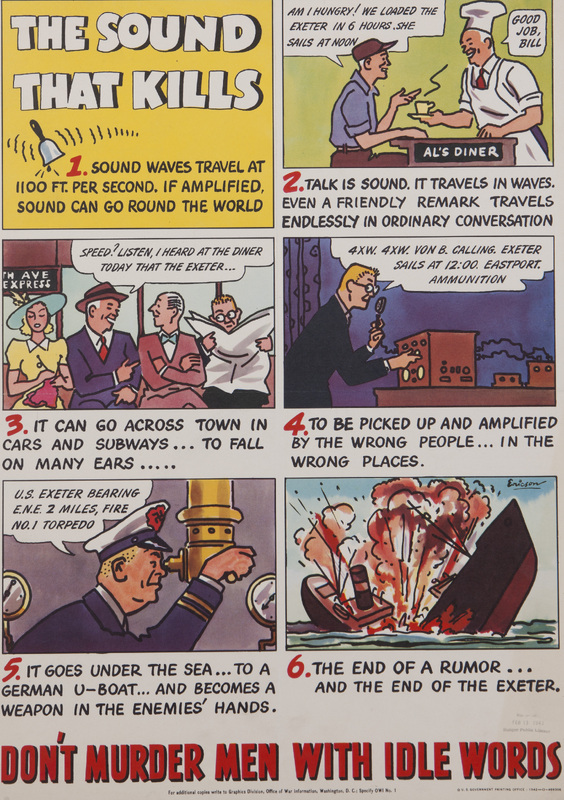
1. Sound waves travel at 1100 ft. per second. If amplified, sound can go round the world. 2. Talk is sound. It travels in waves. Even a friendly remark travels endlessly in ordinary conversation. 3. It can go across town in cars and subways... To fall on many ears... 4. To be picked up and amplified by the wrong people... In the wrong places. 5. It goes under the sea... To a German U-boat... And becomes a weapon in the enemies’ hands. 6. The end of a rumor... And the end of the Exeter.
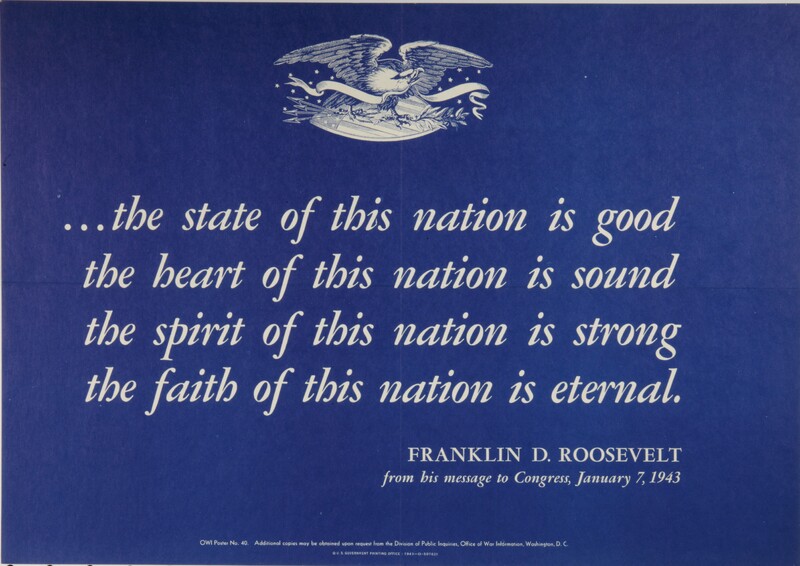
The state of this nation is good. The heart of this nation is sound. The spirit of this nation is strong. The faith of this nation is eternal.--Franklin D. Roosevelt from his message to Congress, January 7, 1943.
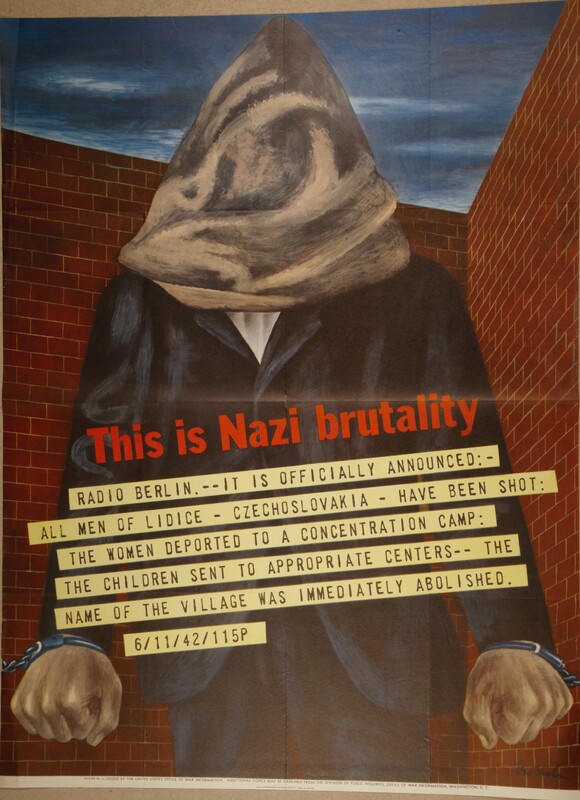
Radio Berlin. It is officially announced: All men of Lidice, Czechoslovakia have been shot. The women deported to a concentration camp. The children sent to appropriate centers. The name of the village was immediately abolished. 6/11/42/115P.
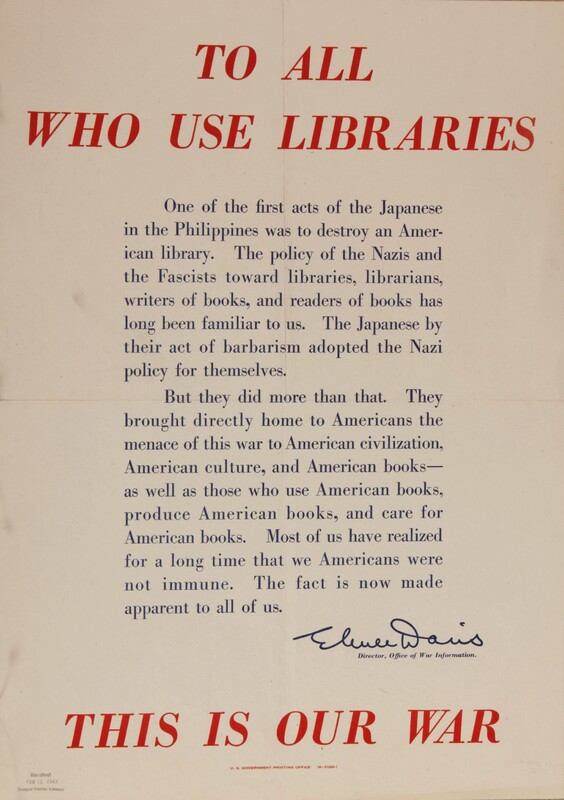
One of the first acts of the Japanese in the Philippines was to destroy an Ameican library. The policy of the Nazis and the Fascists toward libraries, librarians, writers of books, and readers of books has long been familiar to us. The Japanese by their act of barbarism adopted the Nazi policy for themselves. But they did more than that. They brought directly home to Americans the menace of this war to American civilization, American culture, and American books--as well as those who use American books, produce American books, and care for American books. Most of us have realized for a long time that we Americans were not immune. The fact is now made apparent to all of us.--Elmer Davis, Director, Office of War Information.