Explore history through the digital collections of the Bangor Public Library and our community partners in Bangor, Maine
World War II Posters
Title
World War II Posters
Description
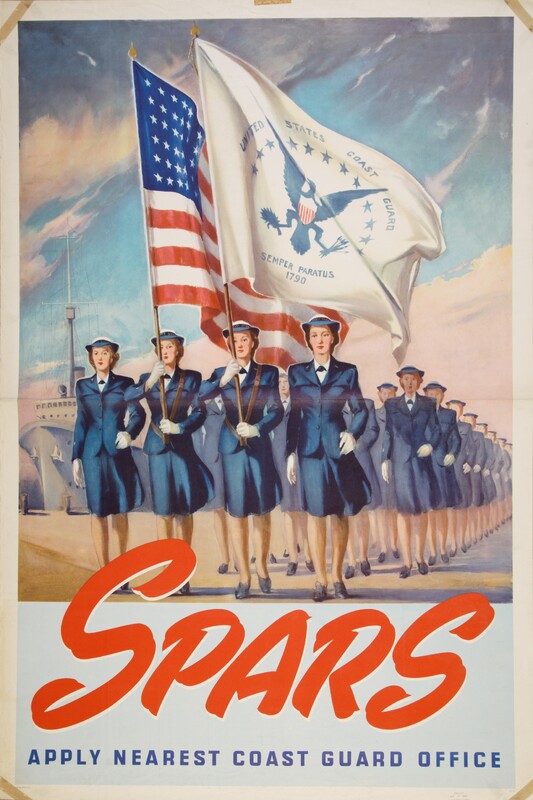
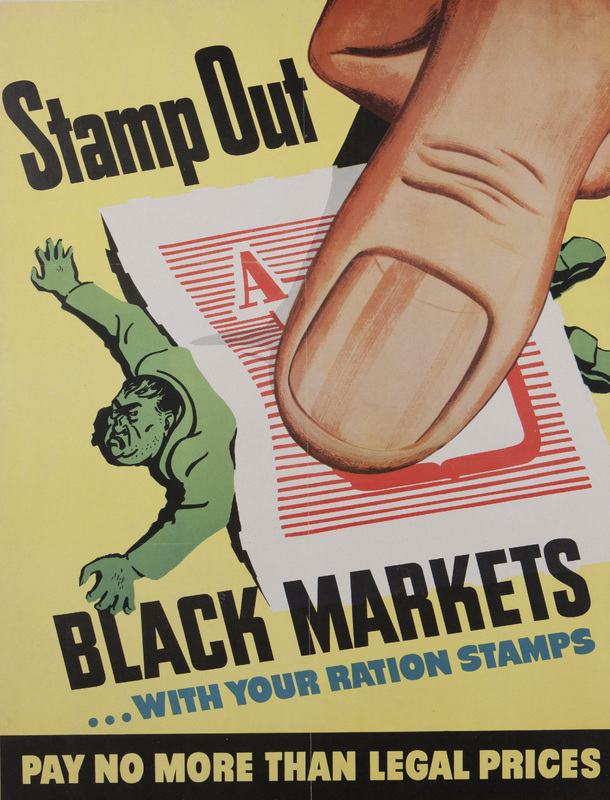
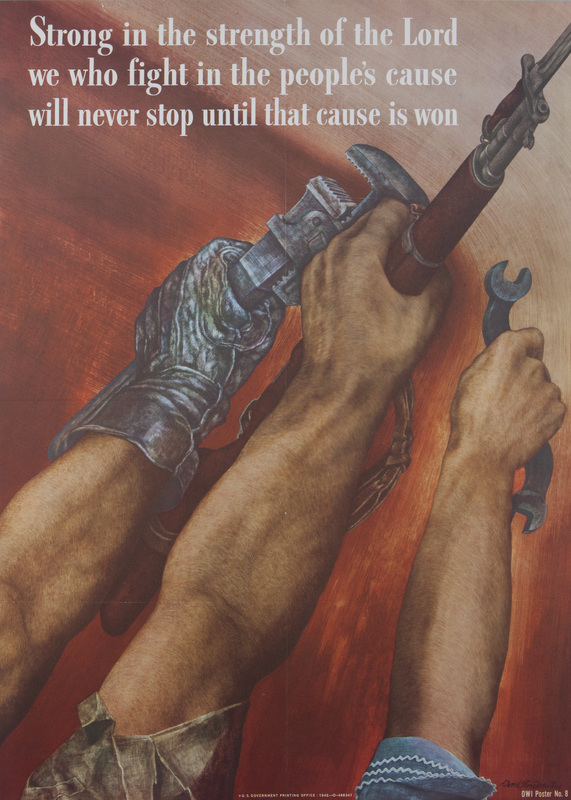
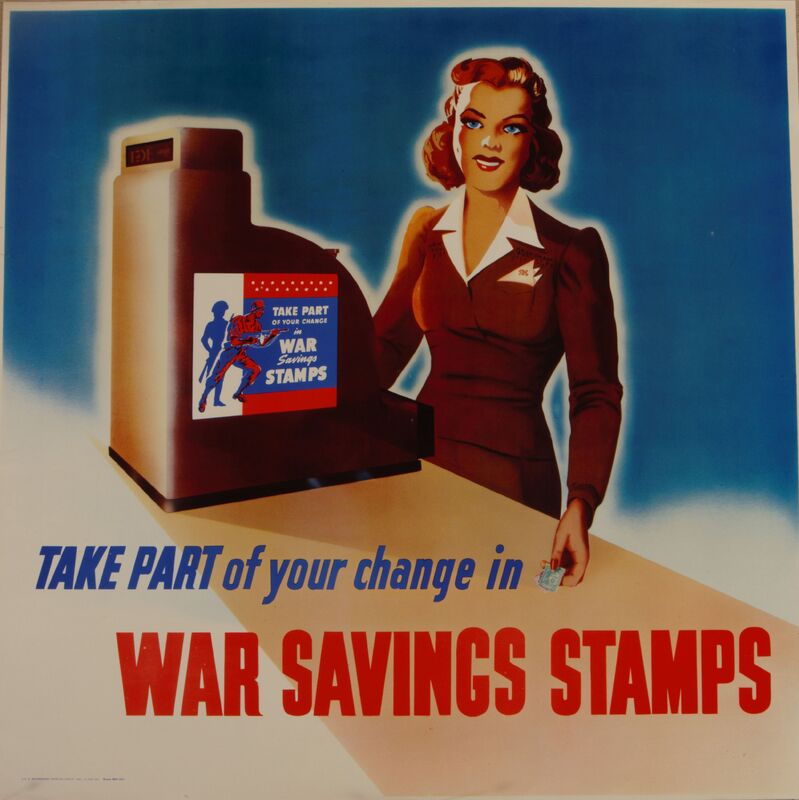
Posters used to promote the war effort among Americans on the home front. Bangor Public Library acquired its collection of war posters through the efforts of L. Felix Ranlett, a World War I veteran and librarian from 1937 to 1962. These posters were digitized through a collaboration with Raymond H. Fogler Library at the University of Maine with the support of Eugene and Barbara Daigle.
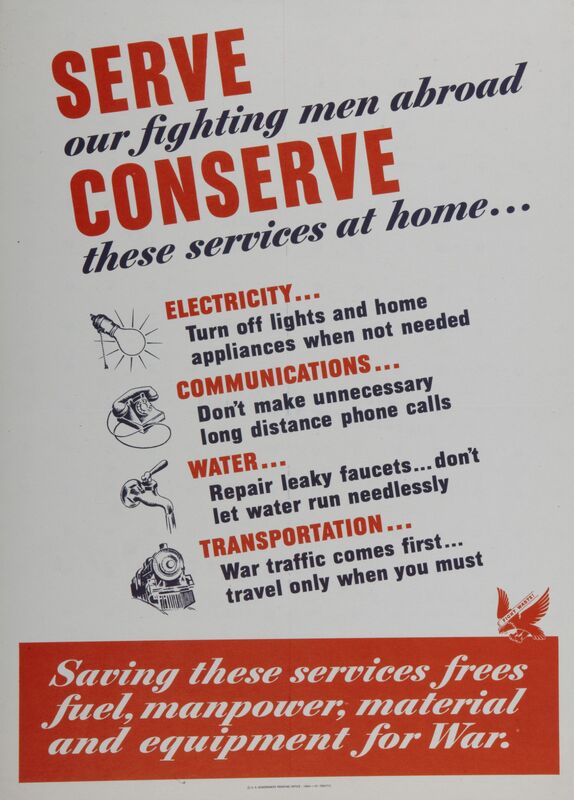
ELECTRICITY... Turn off lights and home appliances when not needed. COMMUNICATIONS... Don't make unnecessary long distance phone calls. WATER... Repair leaky faucets... don't let water run needlessly. TRANSPORTATION... War traffic comes first... travel only when you must. Saving these services frees fuel, manpower, material and equipment for War.
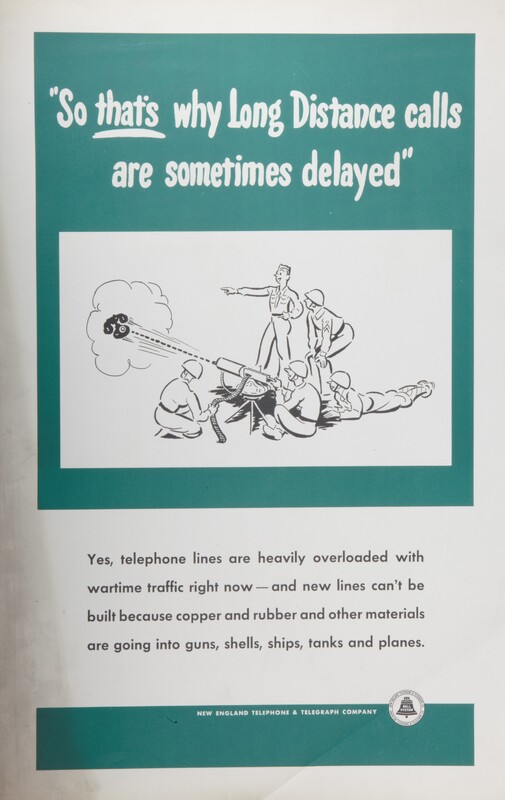
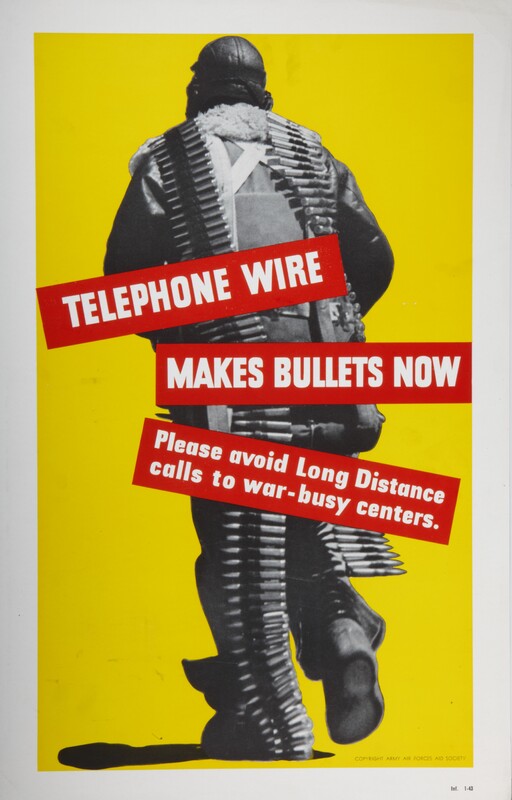
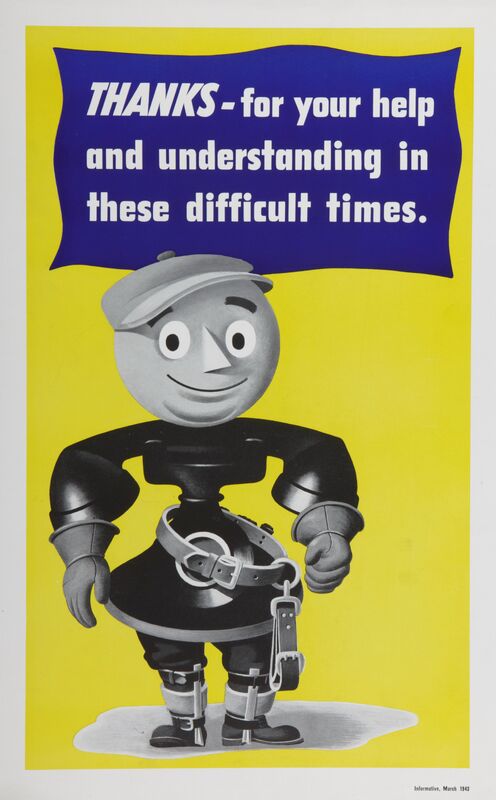
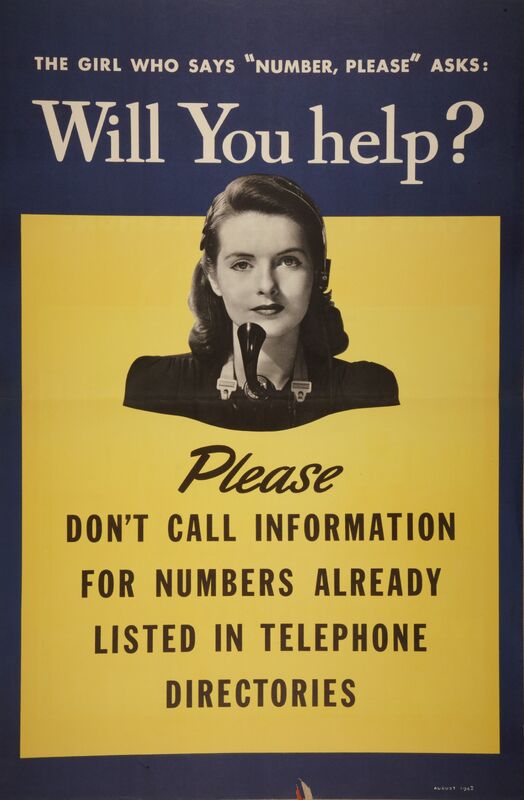
Yes, telephone lines are heavily overloaded with wartime traffic right now--and new lines can't be built because copper and rubber and other materials are going into guns, shells, ships, tanks and planes.
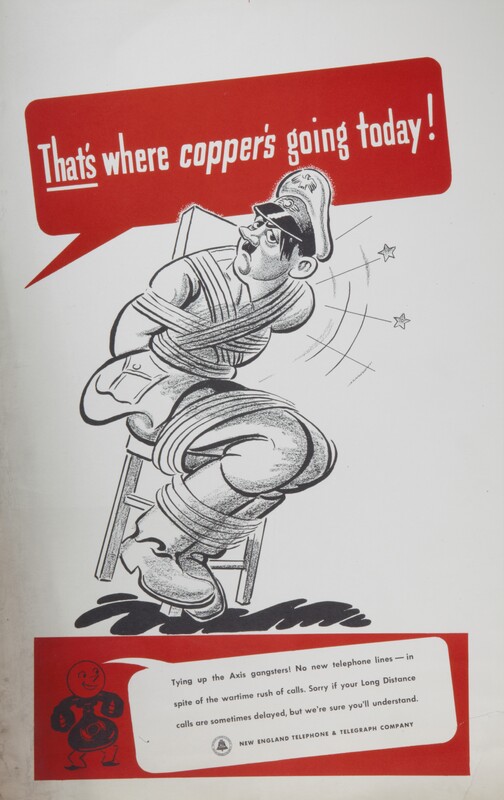
Tying up the Axis gangsters! No new telephone lines--in spite of the wartime rush of calls. Sorry if your Long Distance calls are sometimes delayed, but we're sure you'll understand.
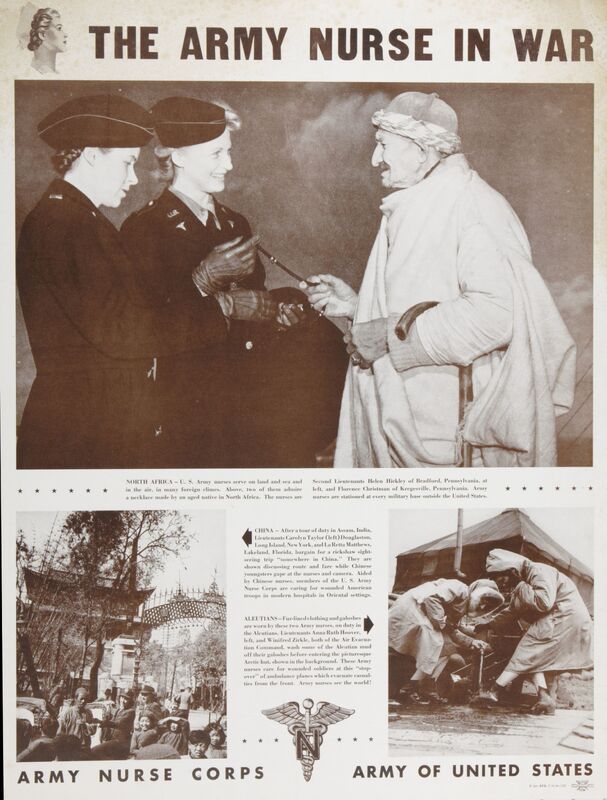
North Africa--U.S. Army nurses serve on land and sea and in the air, in many foreign climes. Above, two of them admire a necklace made by an aged native in North Africa. The nurses are Second Lieutenants Helen Hickley of Bradford, Pennsylvania, at left, and Florence Christman of Kregesville, Pennsylvania. Army nurses are stationed at every military base outside the United States. China--After a tour of duty in Assam, India, Lieutenants Carolyn Taylor (left) Douglaston, Long Island, New York, and La Retta Matthews, Lakeland, Florida, bargain for a rickshaw sight-seeing trip "somewhere in China." They are shown discussing route and fare while Chinese youngsters gape at the nurses and camera. Aided by Chinese nurses, members of the U.S. Army Nurse Corps are caring for wounded American troops in modern hospitals in Oriental settings. Aleutians--Fur-lined clothing and galoshes are worn by these two Army nurses, on duty in the Aleutians. Lieutenants Anna Ruth Hoover, left, and Winifred Zirkle, both of the Air Evacuation Command, wash some of the Aleutian mud off their galoshes before entering the picturesque Arctic hut, shown in the background. These Army nurses care for wounded soldiers at this "stop-over" of ambulance planes which evacuate casual-ties from the front. Army nurses see the world!
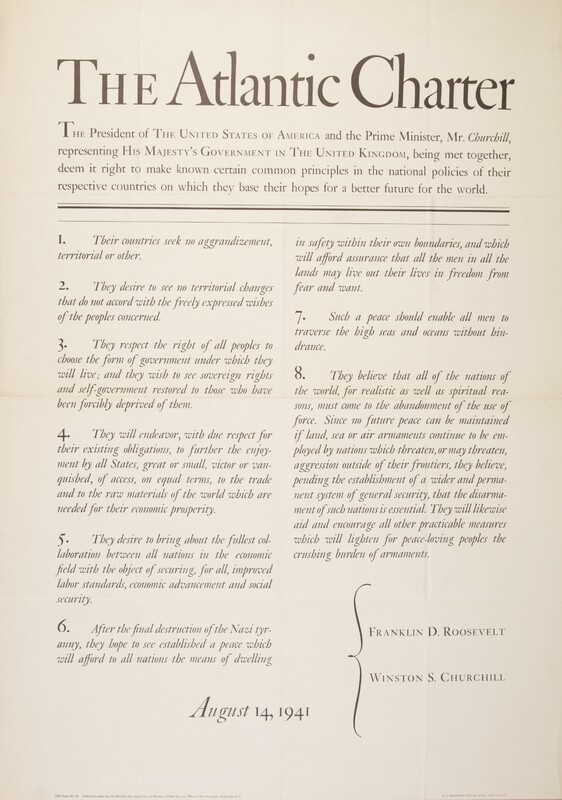
The President of the United States of America and the Prime Minister, Mr. Churchill, representing His Majesty's Government in the United Kingdom, being met together, deem it right to make known certain common principles in the national policies of their respective countries on which they base their hopes for a better future for the world.
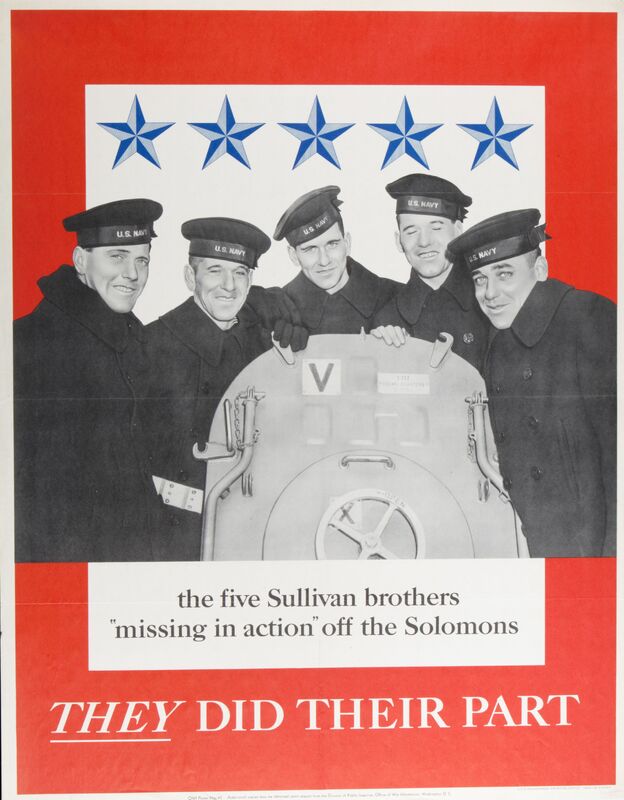
Portrait of the five Sullivan brothers, left to right, Joseph Sullivan, Francis Sullivan, Albert Sullivan, Madison Sullivan, and George Sullivan. All perished in the sinking of the USS Juneau, Guadalcanal, November 1942.
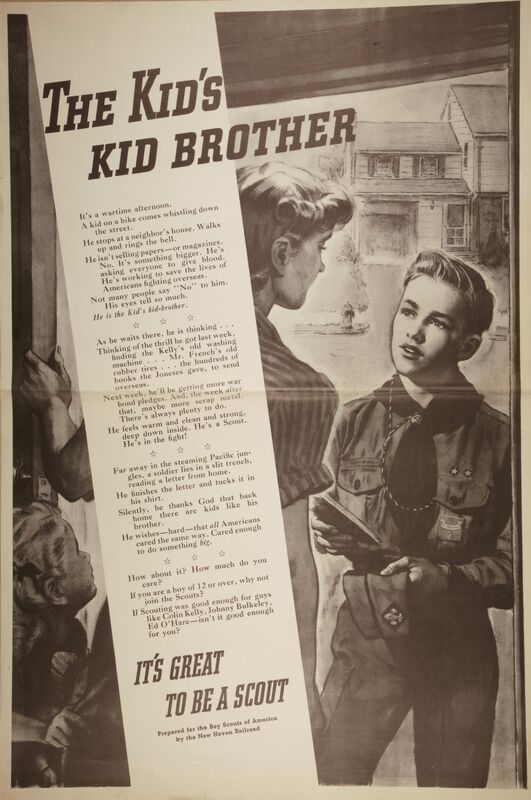
It's a wartime afternoon. A kid on a bike comes whistling down the street. He stops at a neighbor's house. Walks up and rings the bell. He isn't selling papers--or magazines. No. It's something bigger. He's asking everyone to give blood. He's working to save the lives of Americans fighting overseas. Not many people say ""No"" to him. His eyes tell so much. He is the Kid's kid-brother ...
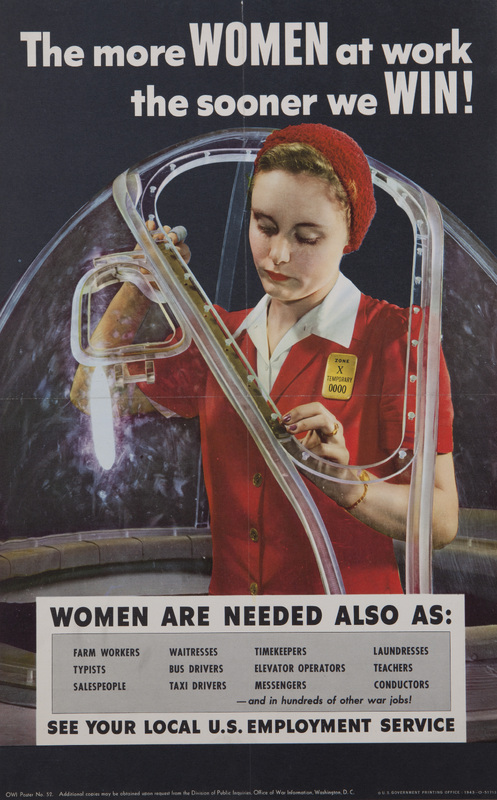
Women are needed also as: Farm workers, waitresses, timekeepers, laundresses, typists, bus drivers, elevator operators, teachers, salespeople, taxi drivers, messengers, conductors--and in hundreds of other war jobs! See your local U.S. Employment service.