Explore history through the digital collections of the Bangor Public Library and our community partners in Bangor, Maine
World War II Posters
Title
World War II Posters
Description
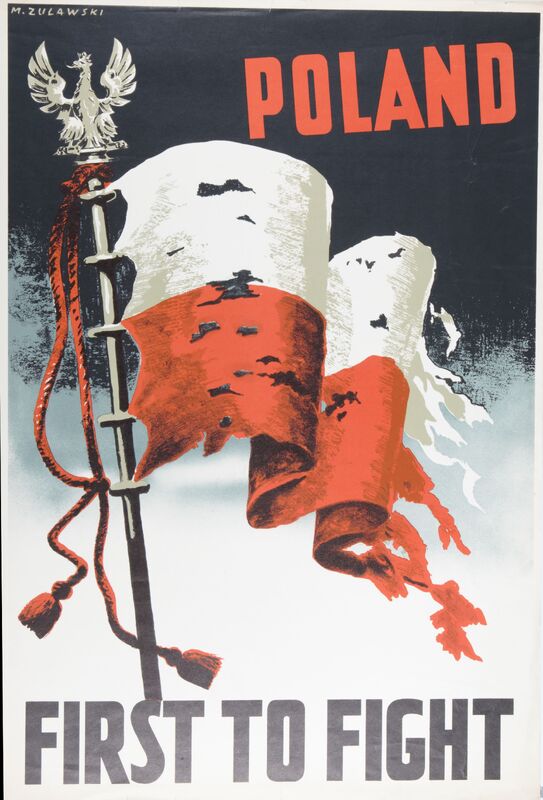
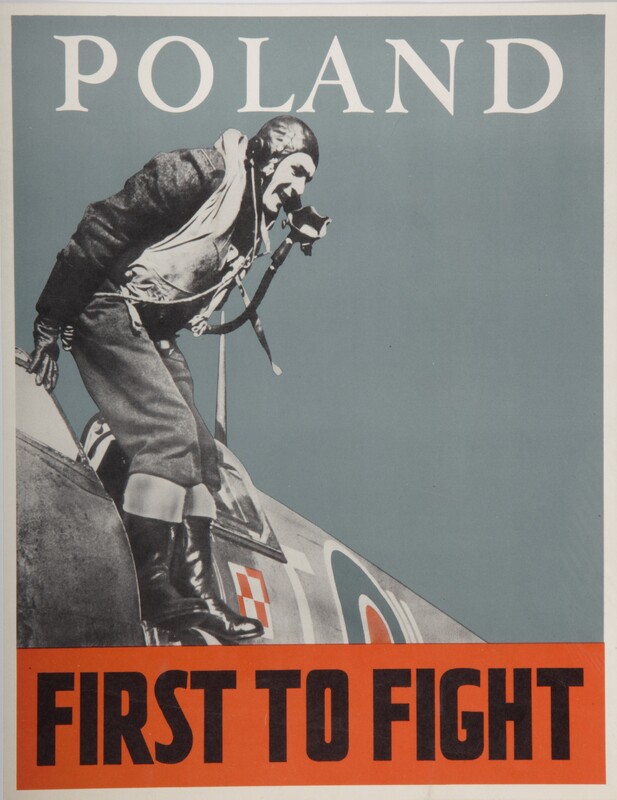
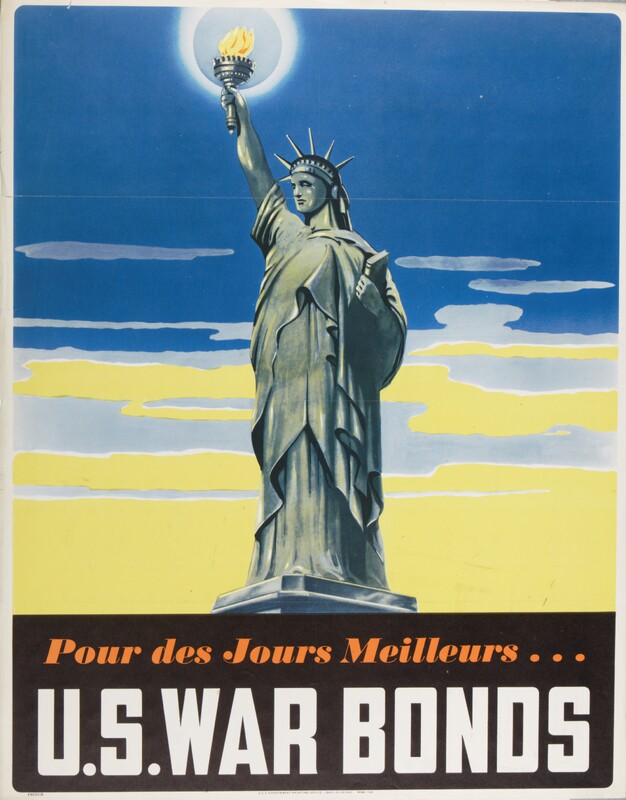
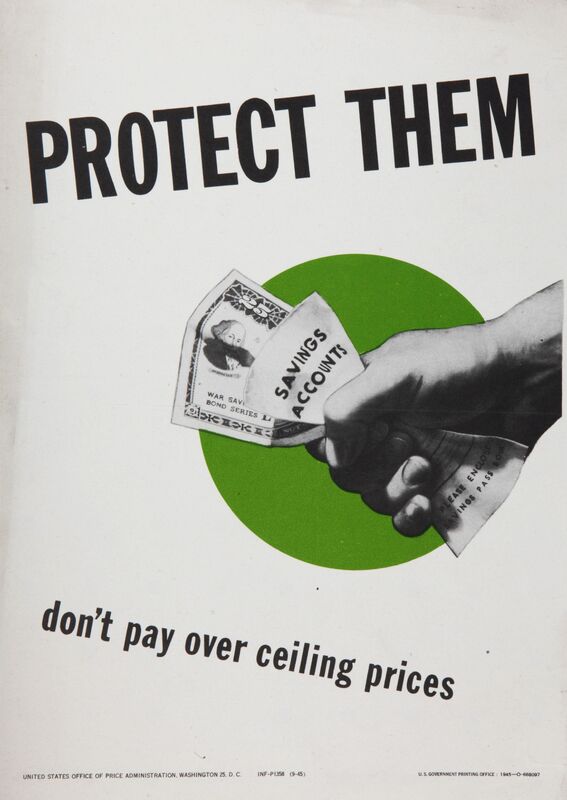
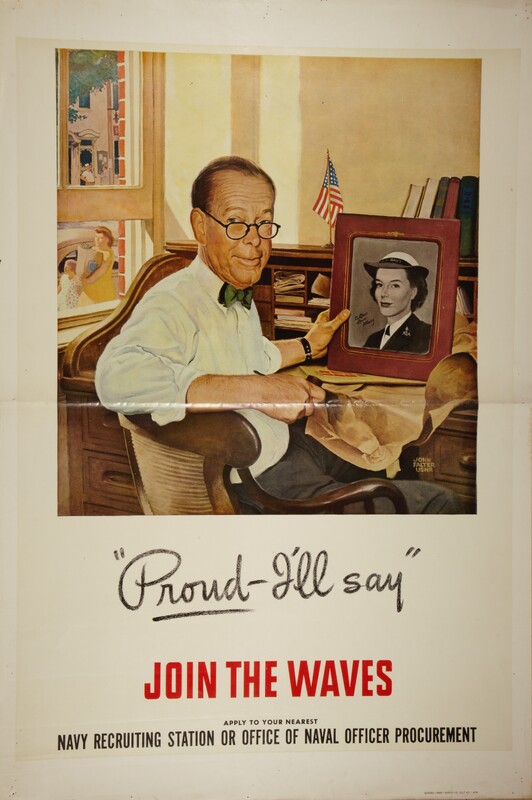
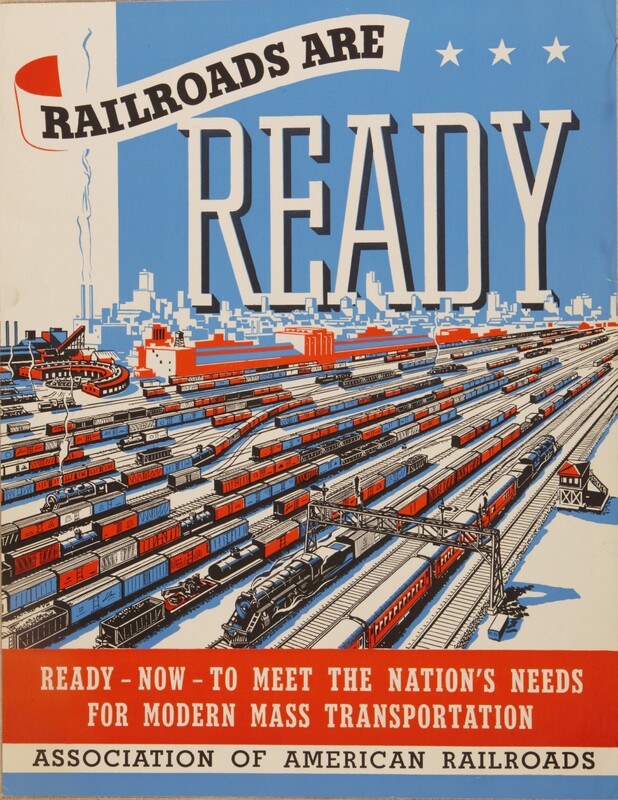
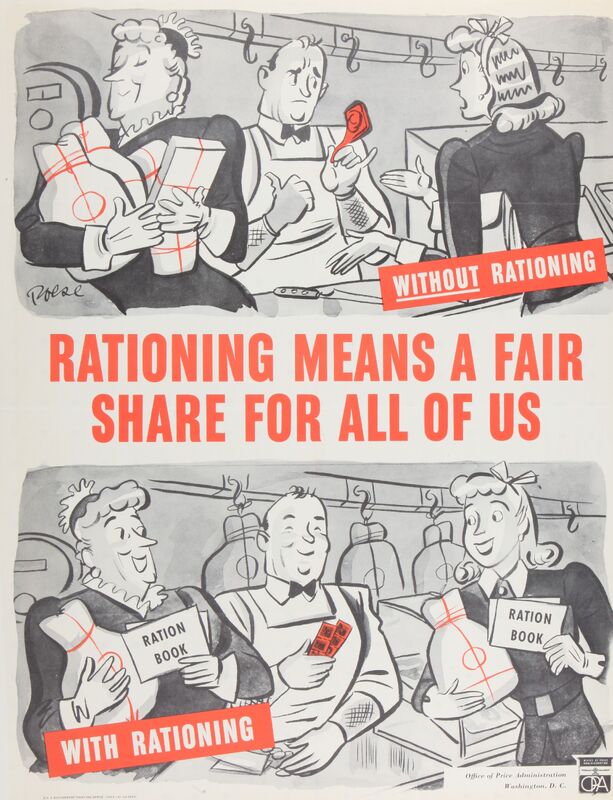
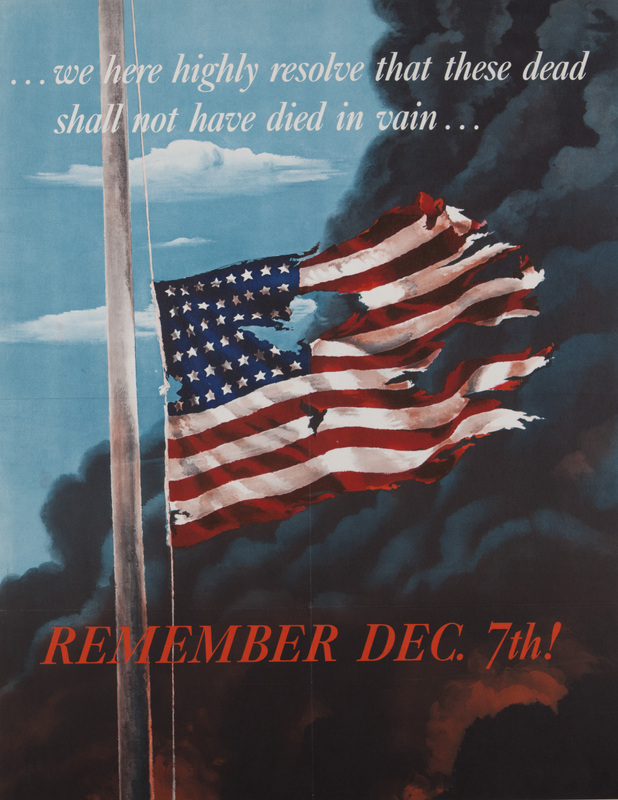
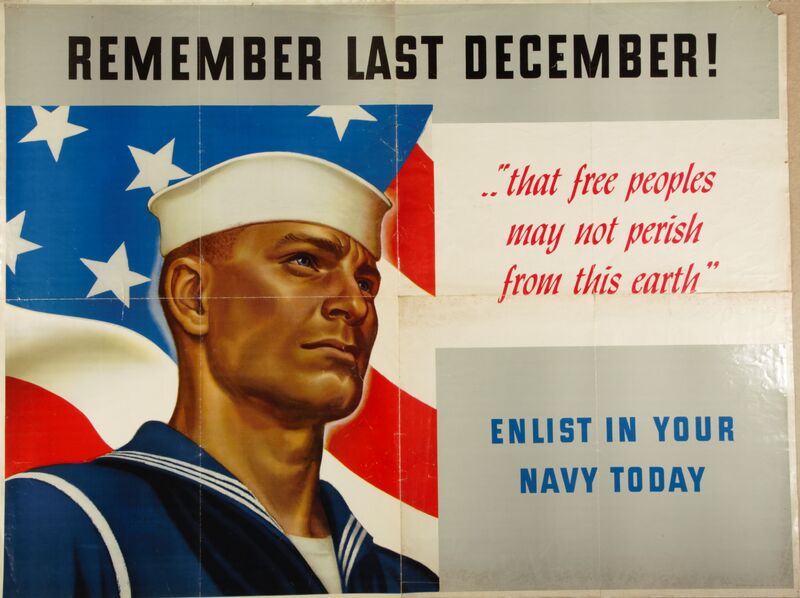
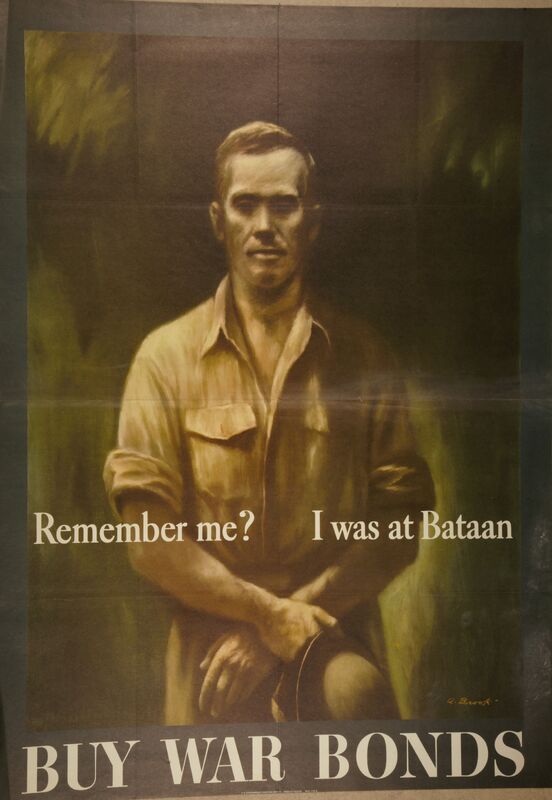
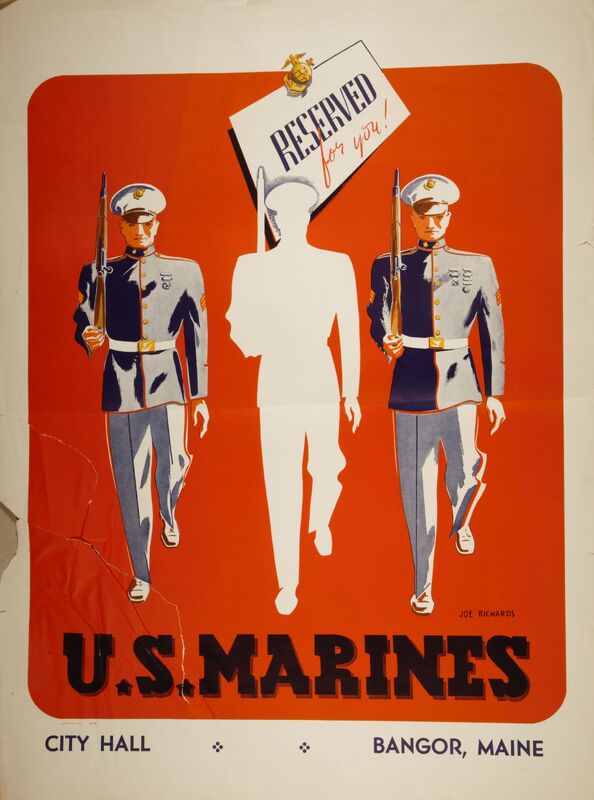
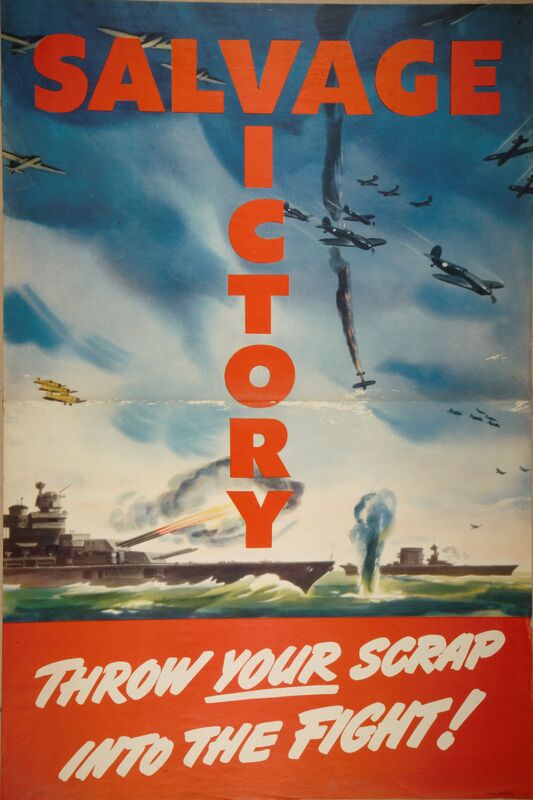
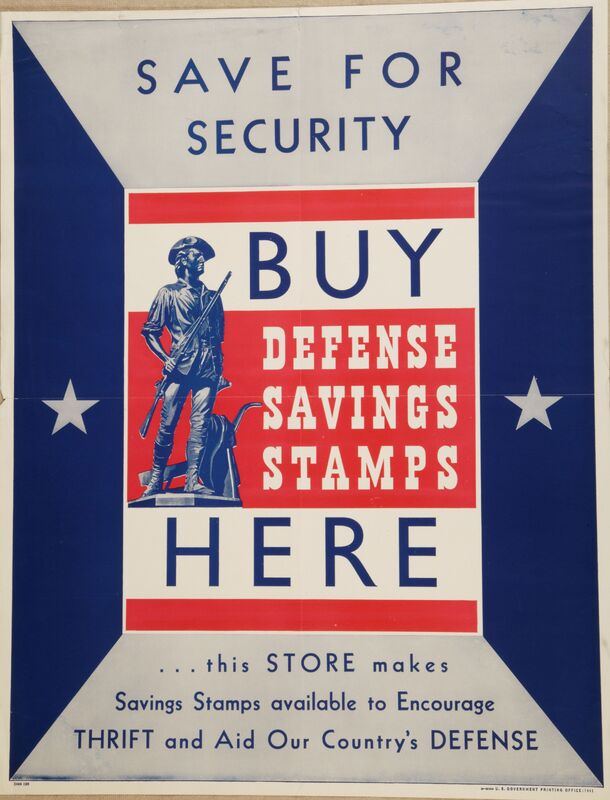
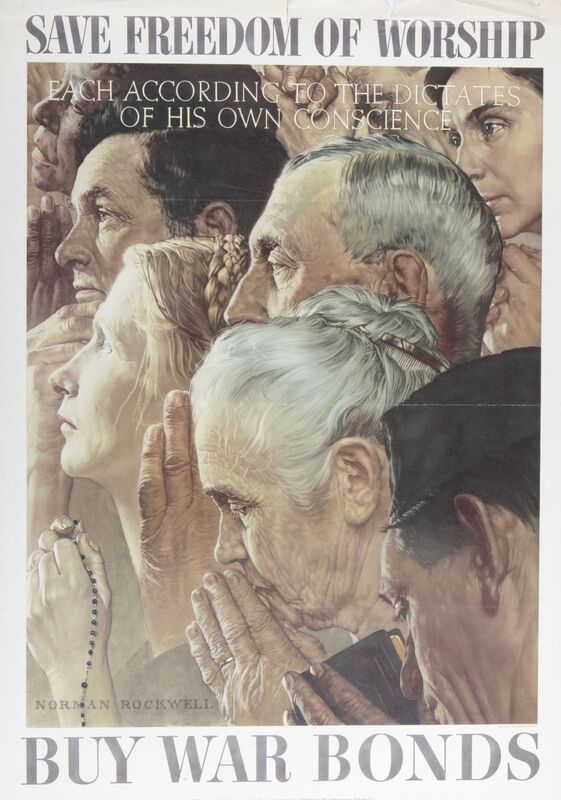
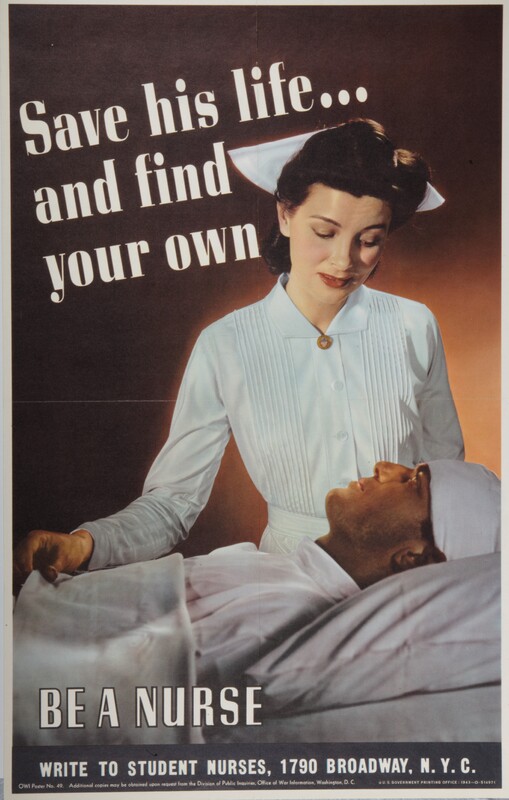
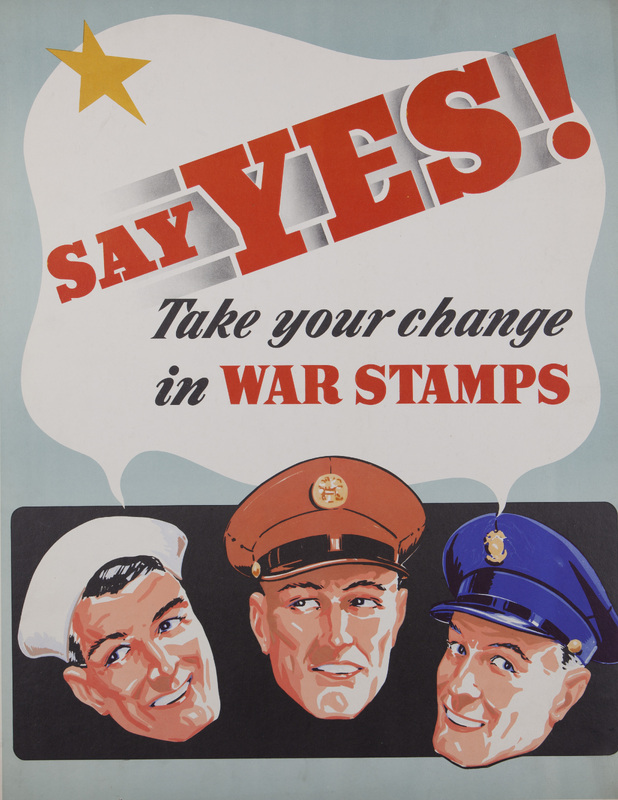
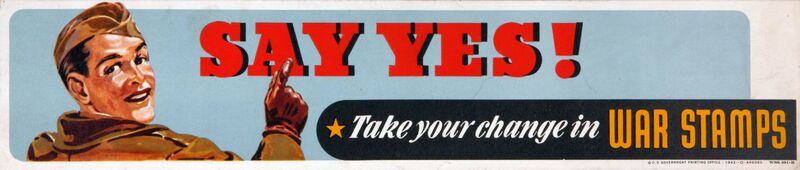
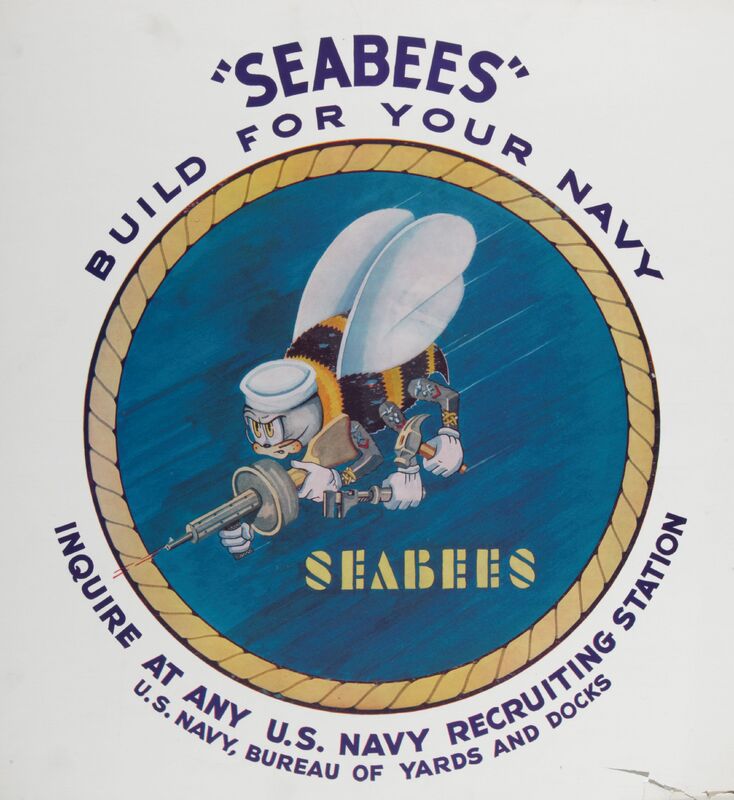
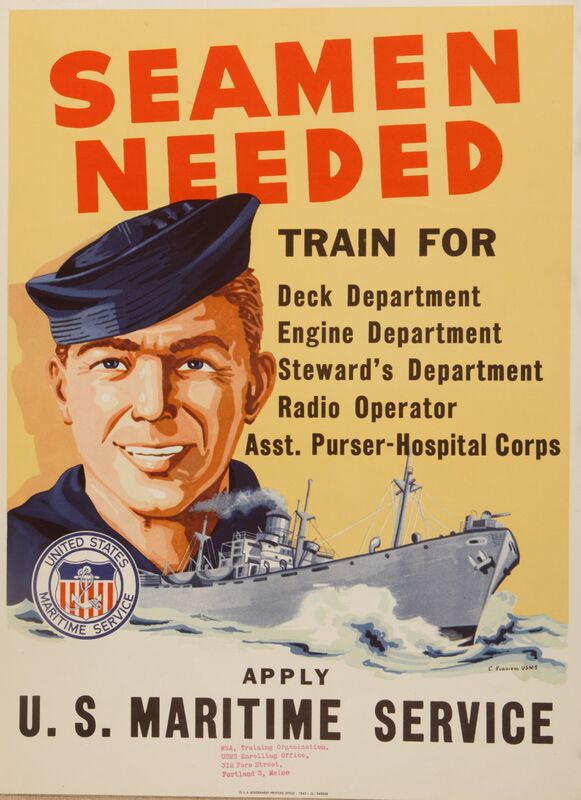
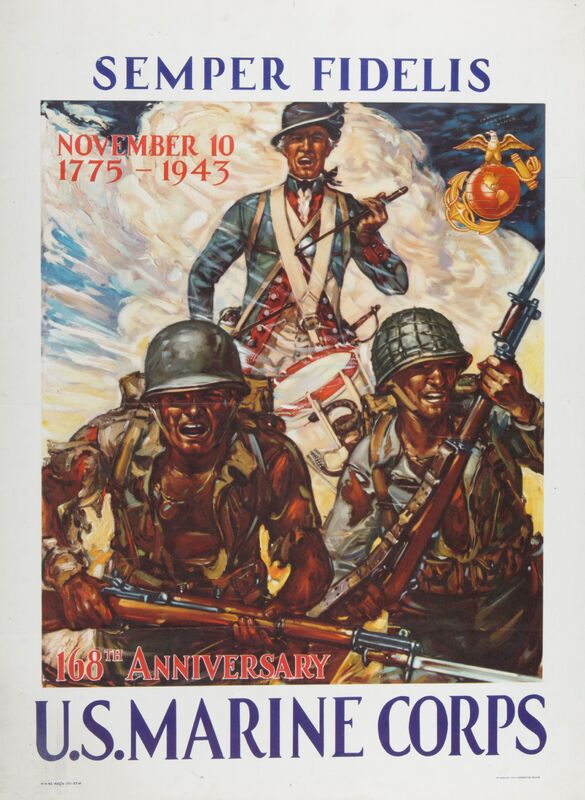
Posters used to promote the war effort among Americans on the home front. Bangor Public Library acquired its collection of war posters through the efforts of L. Felix Ranlett, a World War I veteran and librarian from 1937 to 1962. These posters were digitized through a collaboration with Raymond H. Fogler Library at the University of Maine with the support of Eugene and Barbara Daigle.
"Victory Book Campaign Opens Nation-Wide Tomorrow ... In anticipation of the Victory Book campaign to gather books for members of the armed forces, which begins tomorrow, a huge box has been placed just inside the entrance of the Bangor Public library. Fine new books have already begun to make their appearance in it ... Types of books wanted in the campaign are popular successes and Book of the Month Club and Literary Guild books issued since 1930; adventure, western detective and mystery stories; funny books, technical books issued since 1935; and books of pocket size of popular titles. Only books that will appeal to young men are wanted. They should be in good, clean, strong condition. Magazines, books from attics, or books discarded by libraries are not wanted. Merle R. Griffeth of Portland, president of the Maine Library association, is state director of the Victory Book campaign. He says, 'Give only books you would really like to keep. If you do that you will know you are giving good books.'" (Source: Bangor Daily News, January 4, 1943)
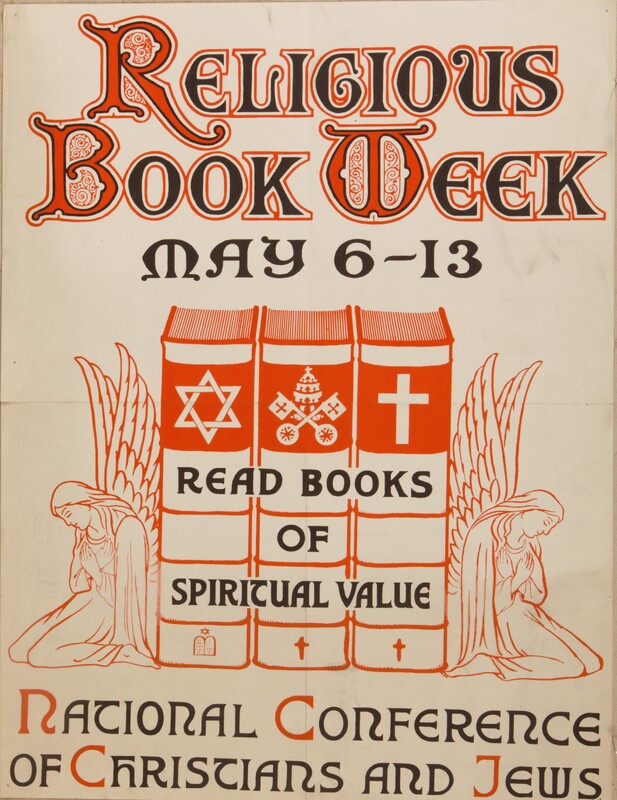
"Religious Book Week, an annual nationwide observance sponsoredby the National Conference of Christians and Jews ... The purpose of thi week which includes the anniversary of the public burning of books by the Nazis in Berlin, May 10, 1933, is to stimulate the reading of more books with a spiritual background among American men, women and children and to create wider understanding and cooperation among the various racial and religious groups." (Source: Bangor Daily Commercial, May 5, 1944)