Explore history through the digital collections of the Bangor Public Library and our community partners in Bangor, Maine
World War II Posters
Title
World War II Posters
Description
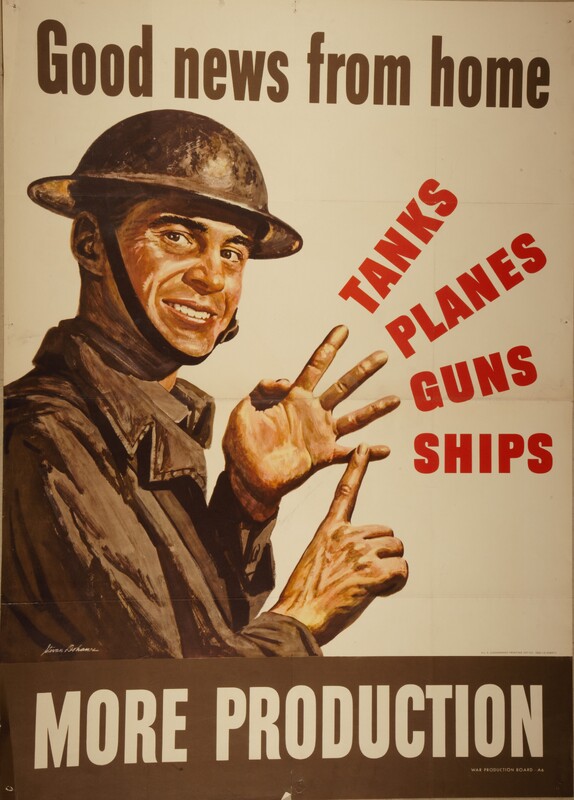
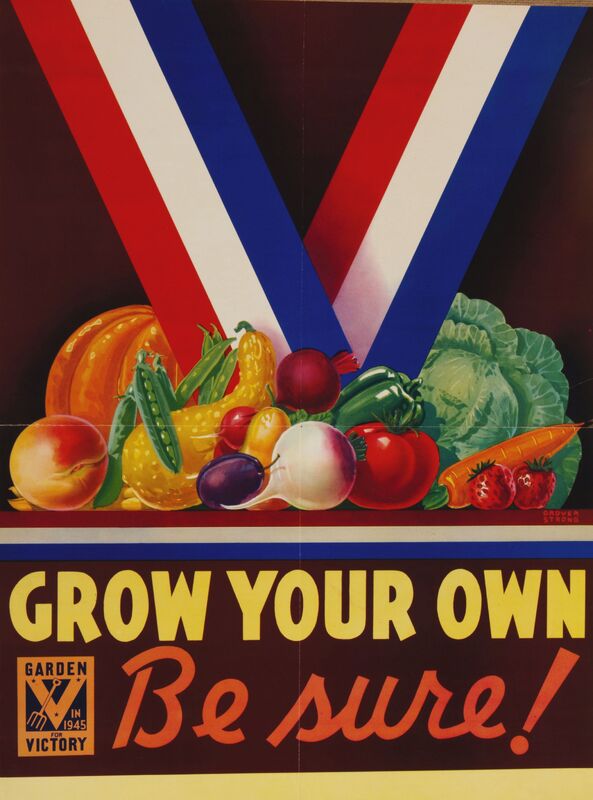
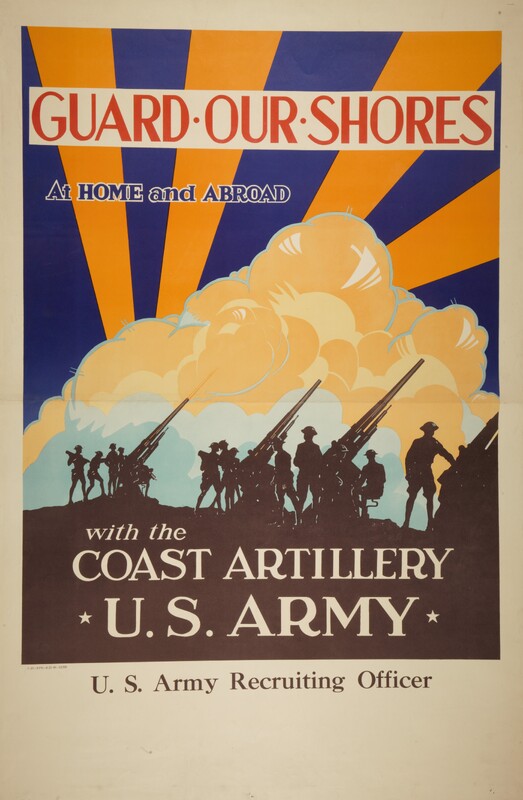
Posters used to promote the war effort among Americans on the home front. Bangor Public Library acquired its collection of war posters through the efforts of L. Felix Ranlett, a World War I veteran and librarian from 1937 to 1962. These posters were digitized through a collaboration with Raymond H. Fogler Library at the University of Maine with the support of Eugene and Barbara Daigle.
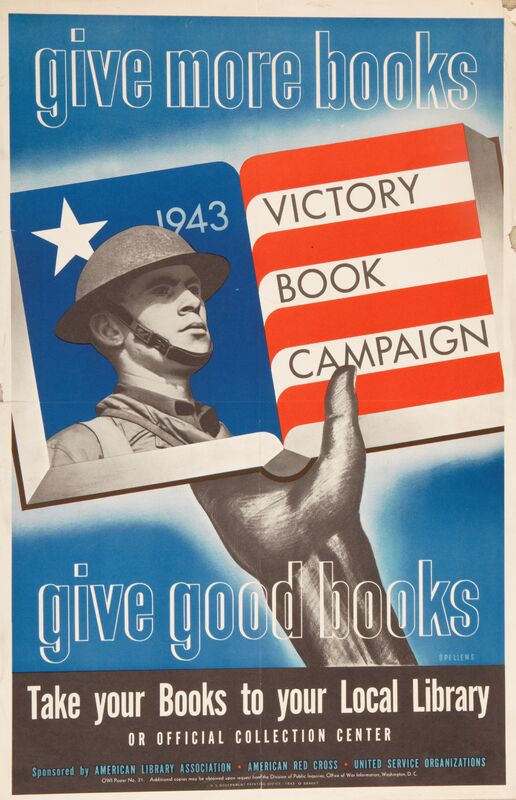
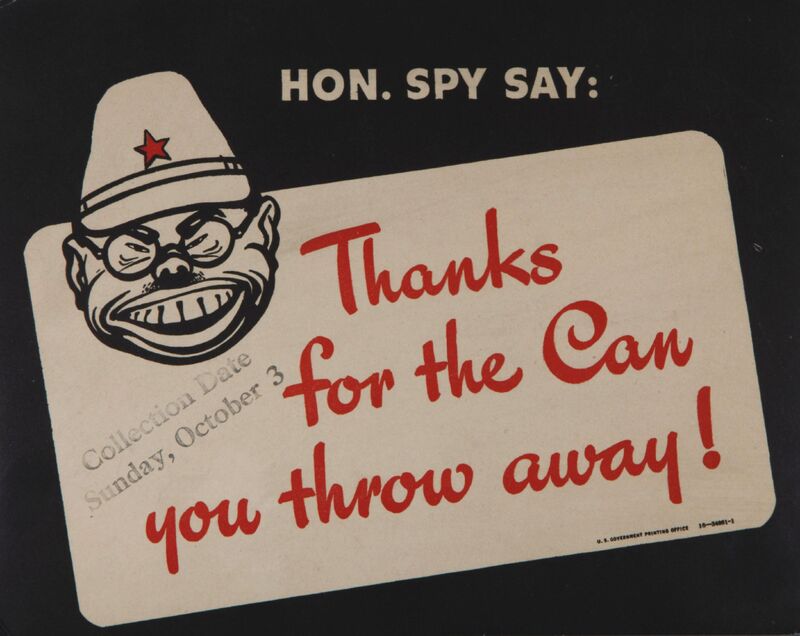
Take your books to your local library or official collection center. Sponsored by American Library Association, American Red Cross, United Service Organizations.
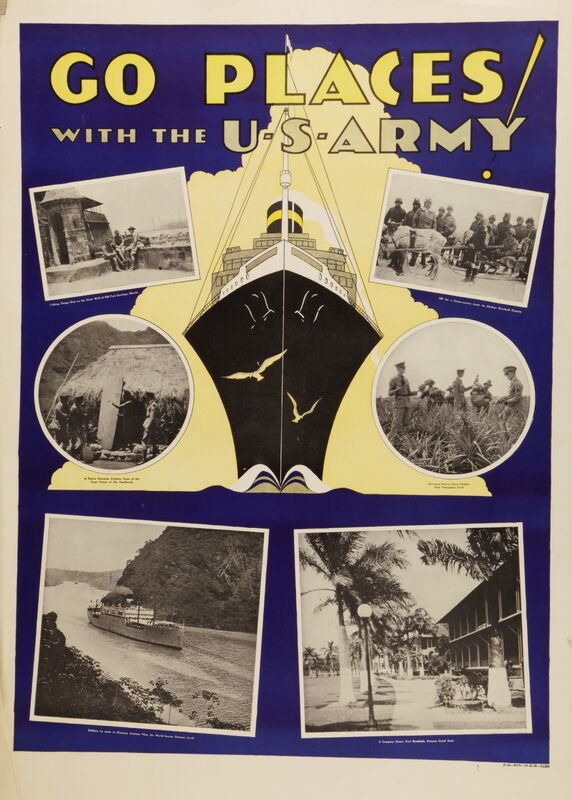
Talking things over on the stone wall of old fort Santiago, Manila ... Off for a cross-country jaunt via Alaskan overland express ... A native Hawaiian explains some of the finer points of his handiwork ... Hawaiian natives show soldiers how pineapples grow ... Soldiers en route to overseas stations view the world famous Panama Canal ... A company street, Fort Randolph, Panama Canal zone.
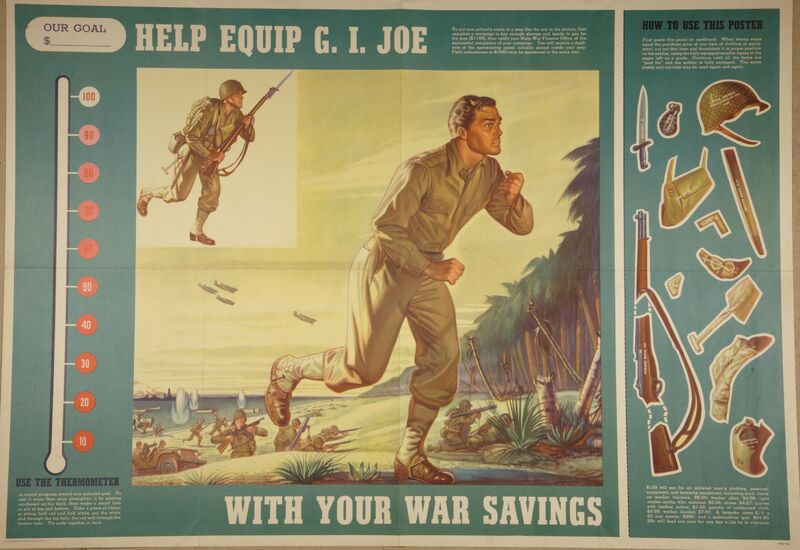
How to use this poster. First paste this panel on cardboard. When stamp sales equal the purchase price of one item of clothing or equipment, cut out that item and thumbtack it in proper position on the soldier, using the fully-equipped smaller figure in the upper left as a guide. Continue until all the items are "paid for" and the soldier is fully equipped. The same poster and cut-outs may be used again and again. Use the thermometer to record progress toward any selected goal. To use it more than once strengthen it by pasting cardboard on the back, then make a small hole or slit at top and bottom. Take a piece of ribbon or string, half red and half white, put the white end through the top hole, the red end through the bottom hole. Tie ends together in back.
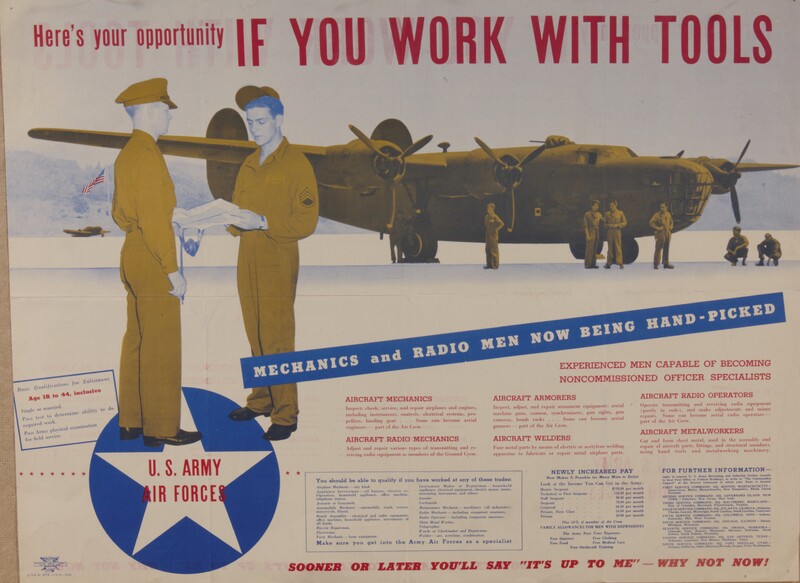
Experienced men capable of becoming noncommissioned officer specialists: Aircraft Mechanics ... Aircraft Radio Mechanics ... Aircraft Armorers ... Aircraft Welders ... Aircraft Radio Operators ... Aircraft Metalworkers ... Sooner or later you'll say "It's up to me" -- Why not now! U.S. Army Air Forces.
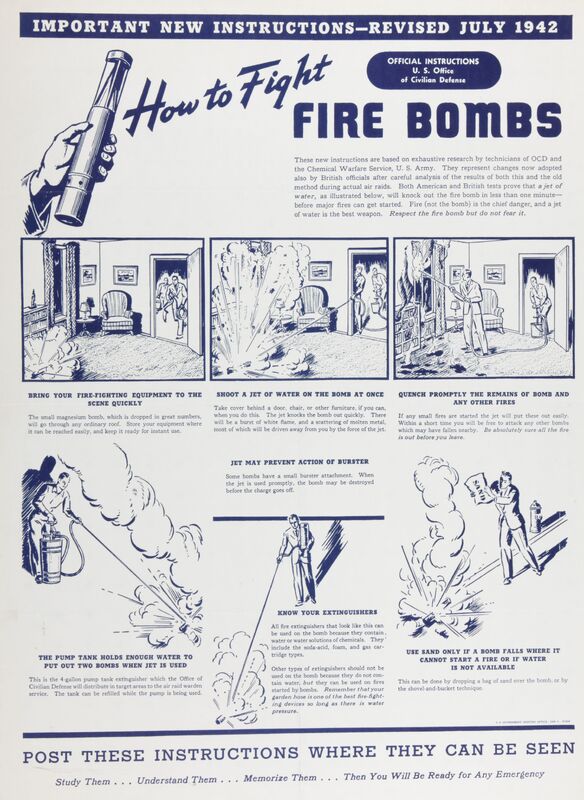
Important new instructions--revised July 1942. These new instructions are based on exhaustive research by technicians of OCD and the Chemical Warfare Service, U.S. Army. They represent changes now adopted also by British officials after careful analysis of the results of both this and the old method during actual air raids. Both American and British tests prove that a jet of water, as illustrated below, will knock out the fire bomb in less than one minute--before major fires can get started. Fire (not the bomb) is the chief danger, and a jet of water is the best weapon. Respect the fire bomb but do not fear it ... Post these instructions where they can be seen. Study them ... Understand them ... Memorize them ... Then you will be ready for any emergency.
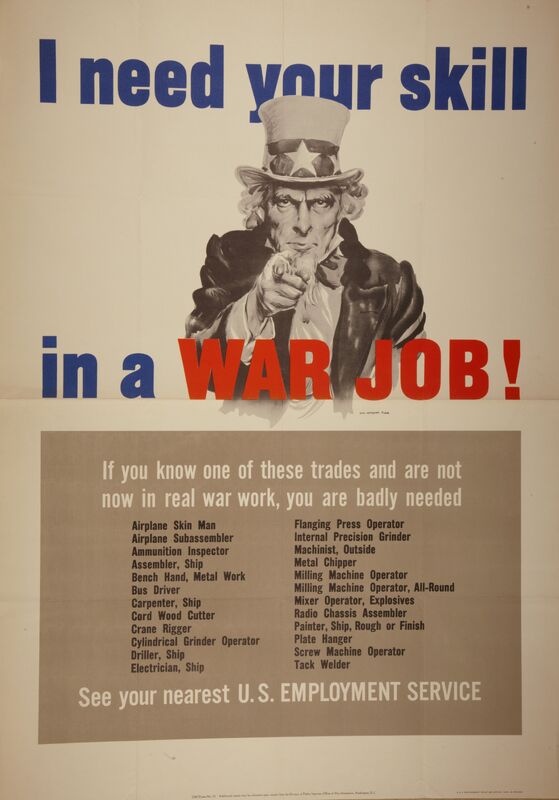
If you know one of these trades and are not now in real war work, you are badly needed: Airplane Skin Man; Airplane Subassembler; Ammunition Inspector; Assembler, Ship; Bench Hand, Metal Work; Bus Driver; Carpenter, Ship; Cord Wood Cutter; Crane Rigger; Cylindrical Grinder Operator; Driller, Ship; Electrician, Ship; Flanging Press Operator; Internal Precision Grinder; Machinist, Outside; Metal Chipper; Milling Machine Operator; Milling Machine Operator, All-Round; Mixer Operator, Explosives; Radio Chassis Assembler; Painter, Ship, Rough or Finish; Plate Hanger; Screw Machine Operator; Tack Welder. See your nearest U.S. Employment Service.
Let’s all follow the 7-key plan to hold prices down: 1. Buy and hold War Bonds. 2. Pay willingly our share of taxes. 3. Provide adequate life insurance and savings for our future. 4. Reduce our debts as much as possible. 5. Buy only what we need and make what we have last longer. 6. Follow ration rules and price ceilings. 7. Cooperate with our Government's wage stabilization program.