Explore history through the digital collections of the Bangor Public Library and our community partners in Bangor, Maine
World War II Regimental Histories
Title
World War II Regimental Histories
Description
Photograph-rich publications documenting the history of individual military units during World War II, including the unit's organization, personnel, military campaigns, and casualties. This collection was compiled by World War II-era librarian L. Felix Ranlett, a veteran of World War I.
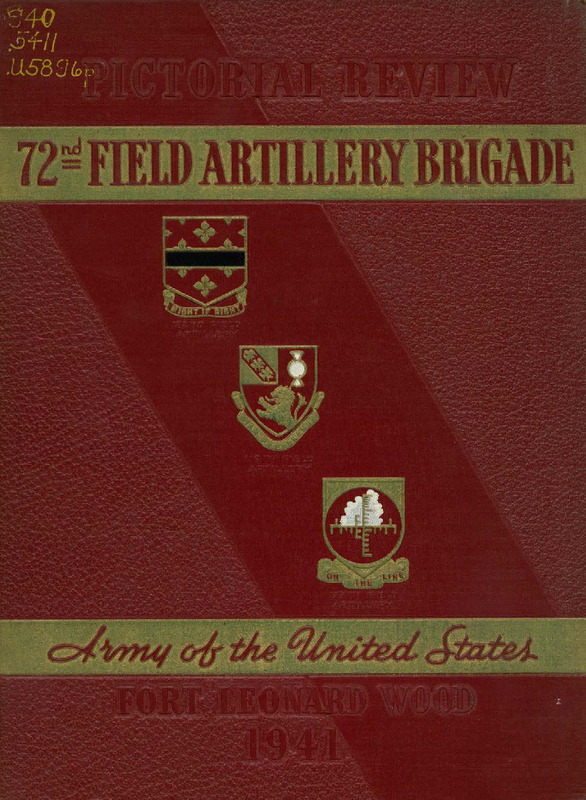
The 72nd Field Artillery Brigade, although composed of veteran troops, is a comparatively new organization. It is made up of the 119th Field Artillery, the 177th Field Artillery, and the 182nd Field Artillery and was formed in September, 1940, under the command of Colonel Joseph H. Lewis, who has since been promoted to the rank of Brigadier General. General Lewis formerly commanded the 57th Field Artillery Brigade. The 119th Field Artillery, a World War Artillery Regiment of the 32nd Division, was converted from a light artillery regiment to a 155 millimeter gun regiment by Special Order 224, Adjutant General's Office, State of Michigan, September 18, 1940, and assigned to the 72nd Field Artillery Brigade. It is commanded by Colonel Glenn W. Carey. The 182nd Field Artillery, formerly medium artillery of the Sixth Corps, was likewise transferred to the 72nd Field Artillery Brigade, remaining a 155 millimeter howitzer regiment. Colonel George V. N. Lothrop is in command. Fire power was completed by the addition of the second Howitzer Regiment, the 177th Field Artillery. The regiment was formed from ,all the Michigan units of the First Squadron, 106th Cavalry, and of the 107th Quartermaster Regiment, and is commanded by Colonel Russell G. Simpson. On the 7th day of April, 1941, the 72nd Field Artillery Brigade was inducted into Federal Service in accordance with a Presidential Order dated January 11, 1941. Induction having been completed, the Brigade proceeded by rail and motor convoy to Fort Knox, Kentucky, where it began the early stages of its preliminary training. While at Fort Knox, the Brigade lived under canvas and experienced many uncomfortable periods of inclement weather, which alternately subjected the personnel to deep mud and fine dust, indoors and out. The Brigade remained at Fort Knox until June 1, 1941, and then proceeded to its first permanent station at Fort Leonard Wood, Missouri, arriving there June 2nd.
The first companies of the Regiment entered combat on the twenty-third of October, 1944. They relieved elements of the 315th Infantry Regiment of the 79th Division east of Luneville, France, in the vicinity of Embermenil. The Regiment occupied dug-in positions in Le Remabois and in the eastern part of the Foret de Parroy. In the last week of October and the first weeks of November, with a series of night attacks, the First Battalion drove the Germans from their remaining strongholds in the forest. By continued and active patrolling, the Germans were kept from any effective offensive action in this part of the line. One of the more daring patrols of this time was made on 31 October by four men from Company E: S/Sgt. R. B. Lawrence and Harold L. Hunt and Pfc. Collie R. Martin and John F. Larkin. These men volunteered to investigate a patch of woods that was suspected of concealing a mortar position. The patrol moved into the woods and, upon discovering more of the enemy than had been anticipated, withdrew and directed an artillery concentration on the area.
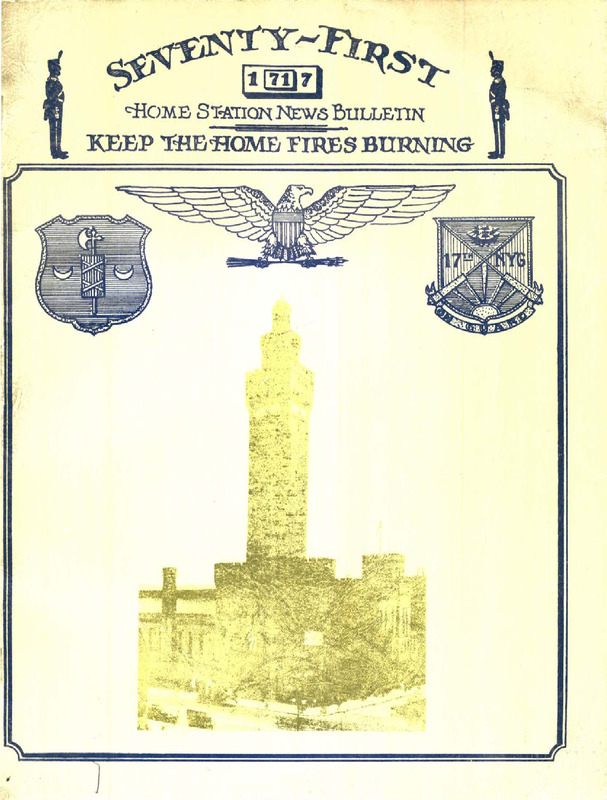
From the opening pages: "The Home Station News Bulletin is the brain child of Captain Donald P. Sherman, who has had service in the seventy-first infantry since December 22, 1911, who served through the first World War with the 54th Pioneer Infantry with service in the Meuse Argonne and the army of occupation and who, remained at his position as Superintendent of the Armory at Thirty-Third Street and Park Avenue during World War II. The bulletin was conceived and carried on as a medium for keeping in touch with all the members of the seventy-first who were scattered throughout the entire world. It's first edition appeared in November 1942, and consisted of a three page mimeographed news sheet sent to seventy-five known addresses. It continued to be published in mimeographed form for the first year and then graduated to a photo offset job. This was made possible through the offer of Mr. Silverman of the Progressive Photo Offset Company to publish it at cost. Mr. Silverman continued to publish the bulletin at cost up to the final copy and including this souvenir edition. Our hats off to Mr. Silverman for a grand job." Donald P. Sherman
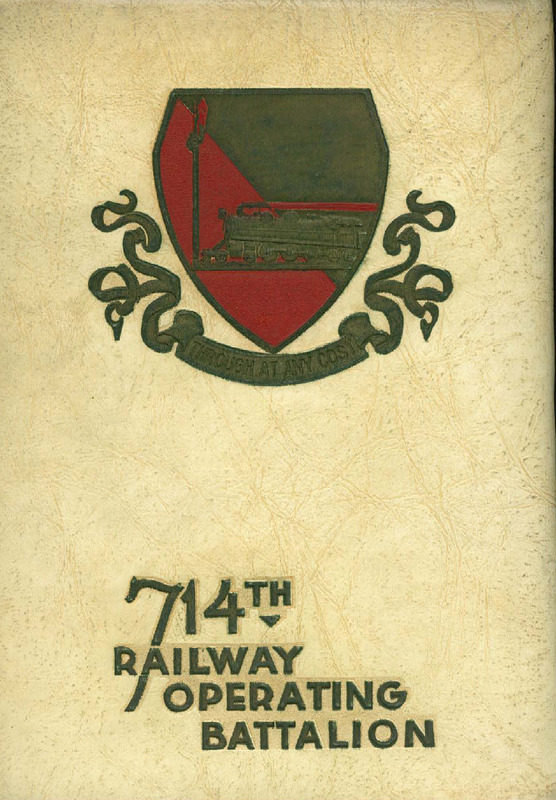
A liaison officer was flown to Alaska ahead of the unit and arrangements were completed by him for the housing, messing and deployment of the troops upon arrival. On the 3rd of April, 1943, the outfit sailed into the beautiful harbor of Seward. The Navy Transport Chaumont was our home for those hectic days at sea and not very many of the boys escaped the inevitable sea-sickness. The sighs of relief were plainly audible when the Chaumont finally docked at Seward and the G.l.s came streaming down the gang-plank. The Alaska Railroad, which is owned by the Federal Government and Operated by Department of the Interior, proved to be a most important rail line in our operations against the Japs. It was the only means at hand for supplying the interior of Alaska with personnel and material for the defense of the territory and for setting up the offensive structure for our later moves against the Nipponese. The civilian personnel, even in peace times, had never been sufficient to adequately maintain and operate the line. Consequently, when war came, what few civilians remained were totally unable to keep this vital supply line going. Maintenance of the line was at a very low ebb, to such an extent that many of the structures were unsafe for operation. The mechanical personnel could not begin to cope with the problem of keeping the power and cars in shape for hauling war supplies, and the operating men were very few in number. So few were they that they couldn't have kept the trains rolling if they worked continuously twenty-four hours at a stretch, day after day. The result was a tremendous back-log of material piled up at the port of Seward and the port of Whittier had not been opened for through traffic." For more than twenty-five months, the men of the 714th kept on the job and made the Alaska Railroad tick. Their efforts were duly appreciated and were finally recognized shortly before the unit returned to the States. By command of Lieutenant General. Delos C. Emmons, Commanding General of the Alaskan Department, the 714th was awarded the Meritorious Service Unit Plaque on 4 April, 1945 and entered the United States on the 24th of May, 1945. --page 13
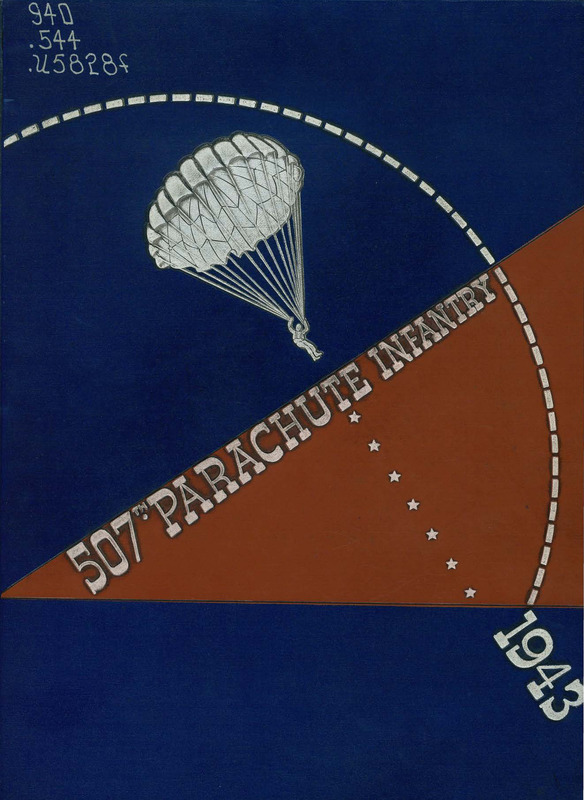
Foreword: Reminiscent of another era ... this book will mellow with the years--and serve as a reminder of the days of our youth. It will enable us to turn back the pages that the years have tended to shroud in darkness and forgetfulnes, reviving dormant memories and clearing the haze from images and situations long since recorded and now stored away. It has often been said that "time changes everything." Disagreeable details, fatiguing marches, and the "G.I." way of doing things will become vague and distorted in our mind's eye, and thence emerge in our fancy as being the good old days." Our rehabilitation, necessitated by the war. has torn down barriers which formerly restricted our vision and understanding and has given our outlook a broader scope. This conflict accelerated the tempo of our lives and will influence the channel our careers shall follow when the war is over. The staff. therefore, feels that the occasion warrants the publication of this book. We hope that we have successfully mirrored the aims and activities of the 507th Parachute Infantry. To the men of the regiment. good luck and--Godspeed.
The 506th Parachute Infantry was activated on 20 July 1942. Prior to this date a small cadre of officers and non-commissioned officers were quartered in a wall tent area which had been euphoniusly named "Camp Toombs". On the shoulders of these officers and men rested the responsibility of forming and training the great regiment which was later to make the camp's new name a famous one--"Toccoa". Toccoa was the heat of the Georgia summer and fifty torturous minutes three days a week, pounding six miles up and down a mountain. Toccoa was murderous twenty mile forced marches done at 130 per minute. Toccoa was where men and officers learned how to take and give orders. But above all Toccoa was the crucible which forged the spirit of this regiment, and where men discovered they could go much further and do much much more than they ever imagined.
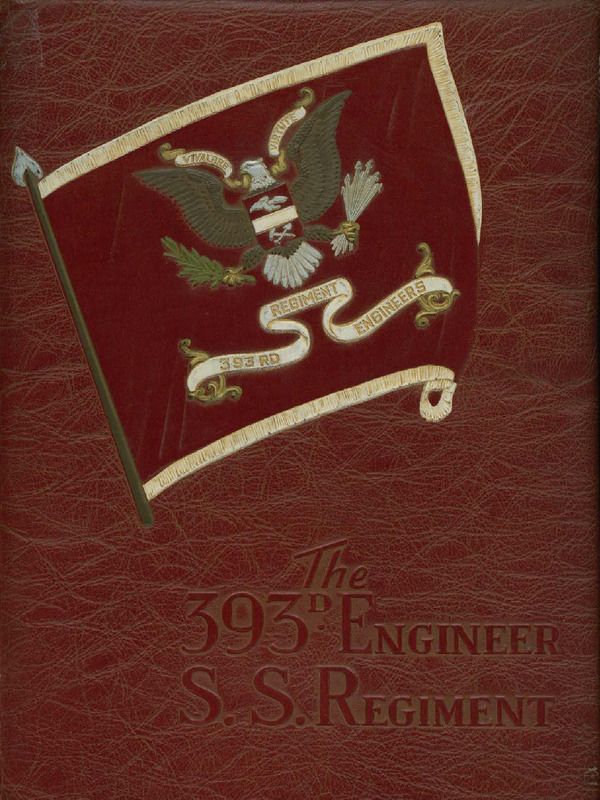
The history of the 393rd is a story of a hard working organization. It was not the fortune of the 393rd to become distinguished in combat. Its record is a good one made so because of the work it did. In the story of such units as the 393rd we see part of the work of a great Corps and even then we see the Corps as itself part of a great Army. It was and is the contributions of all the parts that made Victory possible. It is difficult in such a volume as this to pick out individuals for special mention. Our purpose is to tell the story of the Regiment. All members have contributed to that story. There was the work of those who had the problem of planning and leadership. There was the work of the men, those whom we call privates but without whom no work would ever be done. Out of all this, the "editor" assumes to "dedicate" this volume to the Junior Officers of the 393rd. The burden of adverse conditions fell upon them and it was because of their resourcefulness and labor and leadership that the work always moved forward. In compiling this history, the chief source has been the "secret log" of the regiment. Major Carleton and Captain Gurney deserve recognition for their work in keep this "log". Captain Gurney must also be mentioned for the work of his sketches. To Sgt. De Angelus goes mention for his work in photography and to T/4 Edward H. Owen for the use of his, "History of Company D." The Chaplain--Editor, Harold A. Mercier
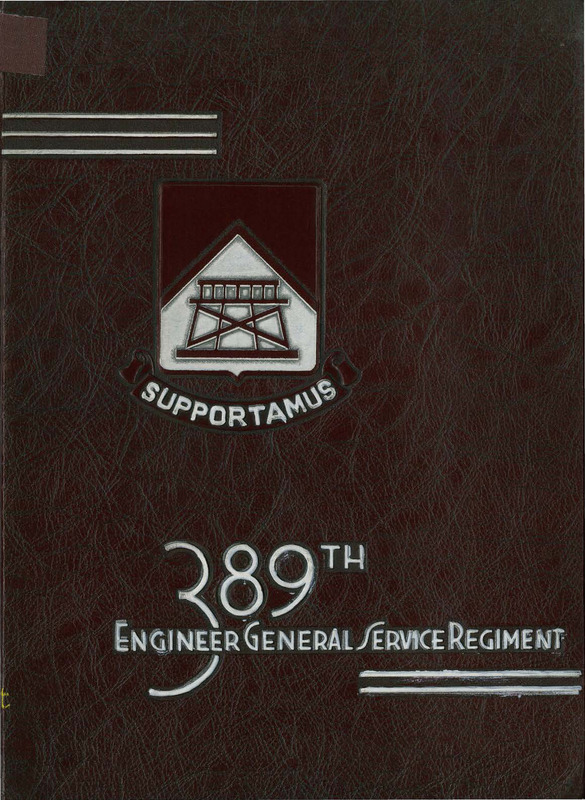
Now the 389th has completed her mission, our use in the service of our country is over. We have seen rivers to cross and have crossed them; roads to be built and they have been made whole; rail-lines to operate and construct and we have done so with a smile even through hardships and in the face of disaster, but our banners have remained unfurled and our spirits have not weakened. The peace, yea the glorious peace, that comes with Victory is now, ours to behold and adore. Home-town United States of America is now safe from infamous attack by would be aggressors, our shores are safe, the lights are on again all over the world, the sea lanes are clear of U-boats, and our world is again ready to build anew on the principles of the four freedoms: Freedom from fear, freedom from want, freedom from hunger, and freedom from force. So we can, as we are doing daily, lose the identity of soldiers and resume our civilian activities for a better America and a better world. Still, we will always remember the 389th, for what she has been and will continue to be in our hearts. Keeping always in mind that, if ever, and we pray not, any aggressors or would-be rulers seek to invade our shores, we will rise and in the words of our motto: "Supportamus," we will defend and protect our country's pride. So long fellows and good, smooth sailing.
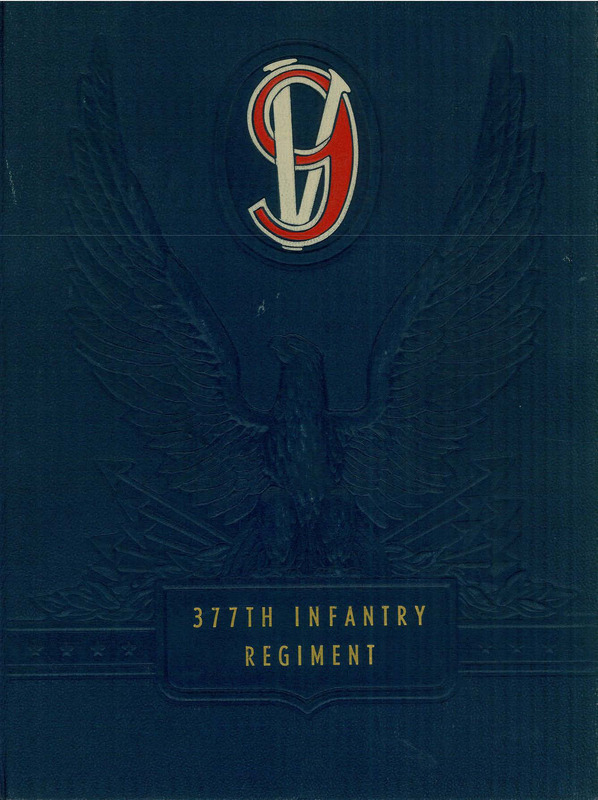
This is a history made by the men of the 377th Infantry Regiment. It's a story of men who served their country and served it well. Men who underwent the toughest, most rigorous, most backbreaking training that the Army could hand out. And men who, after two hard years of this training, went across to the field of battle in Europe, met the enemy, and defeated him at his own game--war. It all began on the sandy flat of the recreational area at Camp Swift, Texas, a typical Army camp located about 30 miles from Austin, with the usual training-center panorama of red-and-white water towers, white wooden barracks, and green recruits. There, under the blazing hot sun of July 15, 1942, the 377th Infantry Regiment was activated, along with the rest of the 95th Infantry Division.
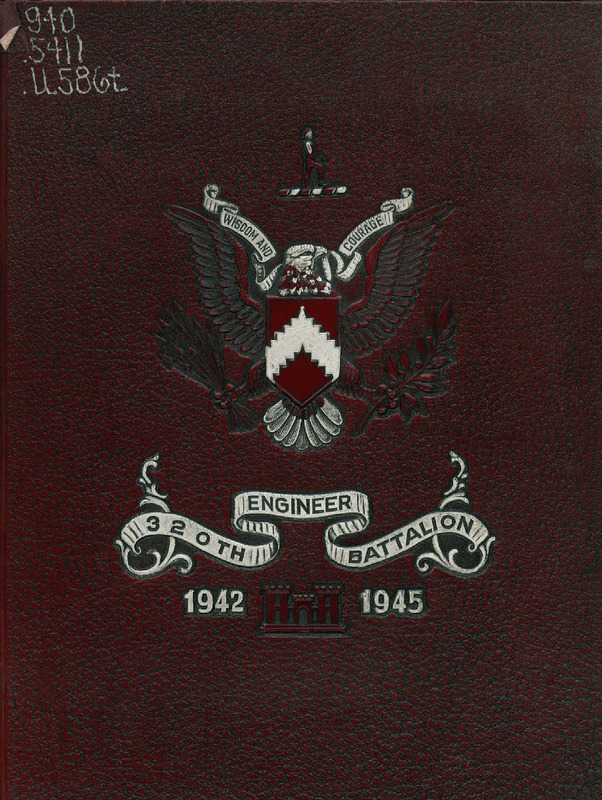
The 320th Engineer Battalion was activated as part of the 95th Infantry Division on July 15, 1942, at Camp Swift, Texas. The enlisted cadre for the Division was furnished by the 7th Infantry Division. The officer cadre had been drawn from many organizations and received refresher courses before reporting to the Division. Additional officers were received direct from Officer Candidate Schools. Maj. Gen. Harry L. Twaddle came from the War Department G-3 to take command of the Division. Lt. Col. Leland B. Kuhre came from the St. Louis Engineer District to command the 320th Engineer Battalion.
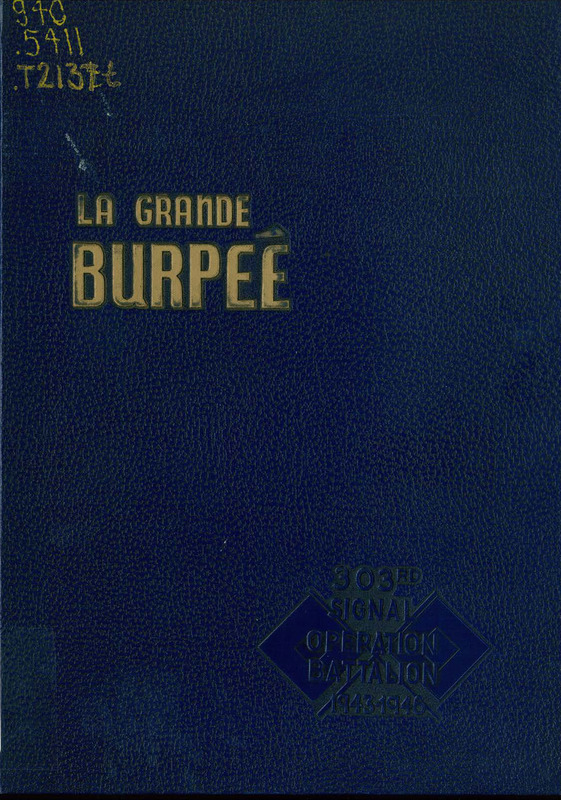
April 17, 1943 was officially activation day for the 303rd at Camp Crowder, Missouri. Shortly before that, Lt. Clyde Burch had herded a wild and wooly cadre crew northward from the 17th Sig. Opn. Bn., which was then on 2nd Army maneuvers in Tennessee. Officers then began to trickle in, more cadre men, and the inevitable lesson plans and course outlines started to take shape. The bulk of the "fillers" arrived around the first of June, and training took hold with vigor, if not with a great deal of vim. Basic training, hikes, calisthenics (TC-87!) and rain, rain, rain occupied our days, always under the fierce scrutiny of Col. Rinaldo Coe who ruled the 2d Army detachment at Crowder with the aid of Capt. Cohen and an assorted staff,guaranteed to give trouble. Col. Coe was a real soldier, and though we groaned under him, later we were damned proud of our state of training. He was aided in his inspections by his dog, which the men fervently believed came up to inspect our training on his own, and then scampered back to report our deficiencies to his master.
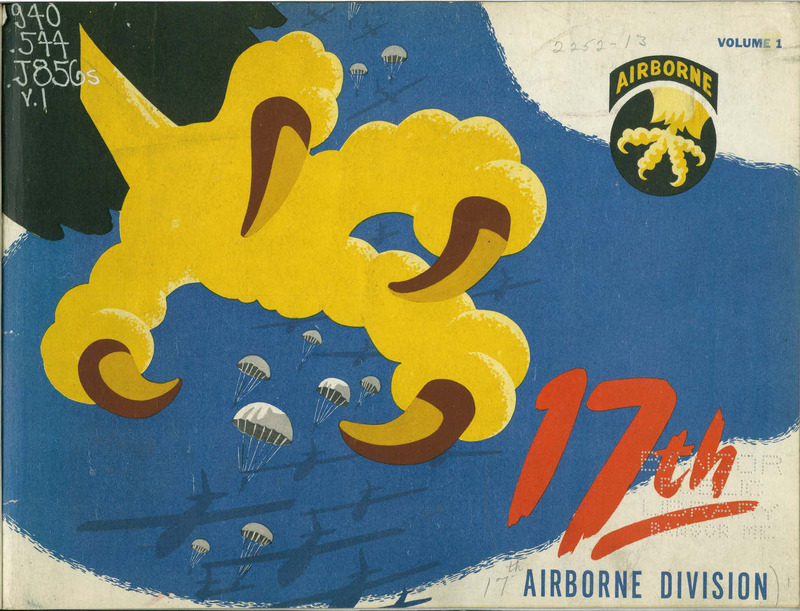
I am sure that in future years when looking through this book it will be a never ending source of pleasure in recalling memories of your friends and the pleasures and hardships you went through together. I am equally as sure that when this war has been fought to a successful conclustion that you will be proud to look through these pages and know that you were a member of the finest fighting organization in the Army--the SEVENTEENTH AIRBOURNE DIVISION. --W. M. Miley, Major General, U. S. A., Commanding
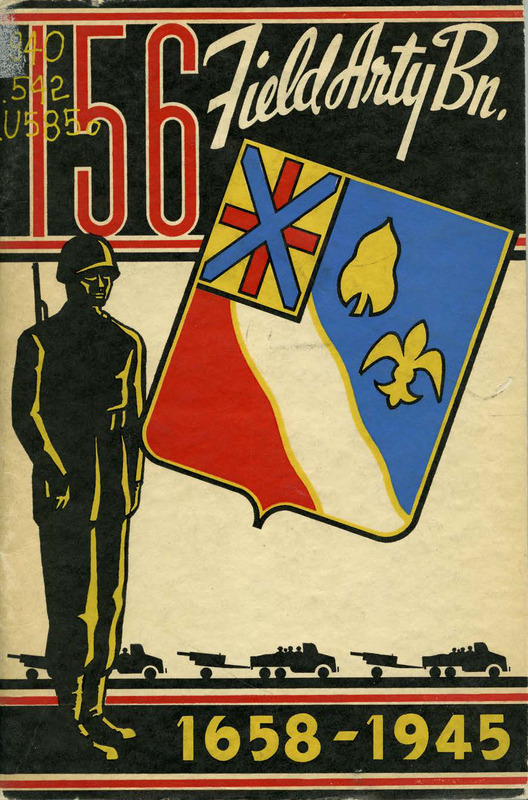
Few military organizations in the United States can trace their history as far back as pre-Revolutionary War days. One such organization is the 156th Field Artillery Battalion whose Battery A many believe to be the oldest military unit in the United States. A Kingston outfit of the New York National Guard, it dates back to 1658.
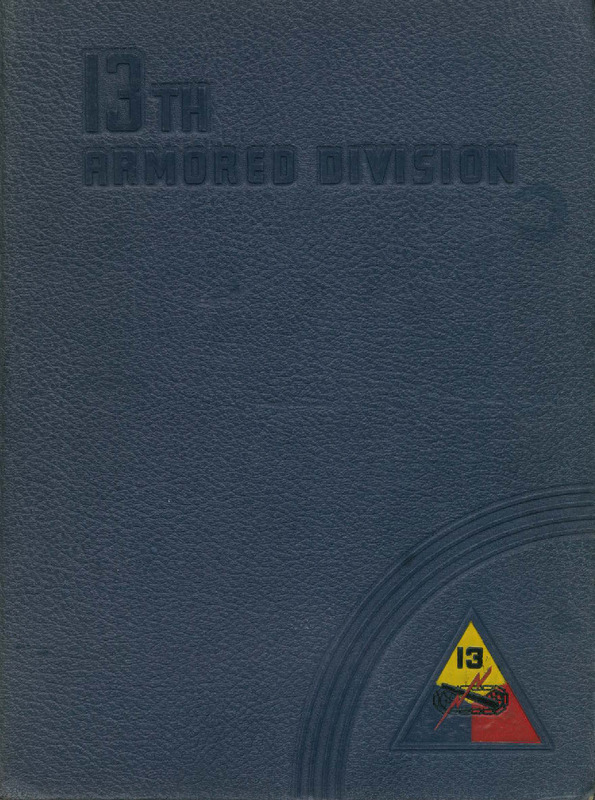
Book is divided into two parts. From the introduction: "This is the history of the 13th Armored Division, a story of three long years in training and battle--a story written not in the bone-dry dust of the historian, but rather with the sweat and blood and honest fear of the infantryman, the tanker, and the cannoneer. These men worked together, lived together, and some of them died together--died in the filth and rubble of the war-ravaged Ruhr or in the rivers and forests of Bavaria. But, most of the men lived--and fought, and captured towns, liberated prisoners of war, killed Germans--and helped win the war. This, then, is the story of these men, living and dead. The war was young, andnot going at all to our liking, when we descended upon Camp Beale, California in 1942 to begin the long training grind that was to lead us to the battlefields of Germany. And we were young, too, and cocky--"Get that cap on the left side of your head, soldier. You're in the Armored Force now' we barked. We trained and learned the arts of battle the hard way--toughening up with basic training, and problems staged with the realism of combat. "California's Own" they called us--and the Governor of the state christened our tanks. That was in the summer of 1943. For two years we toughened up at Beale and Camp Bowie, Texas, and we were plenty rugged when they put us on that boat for the ETO."
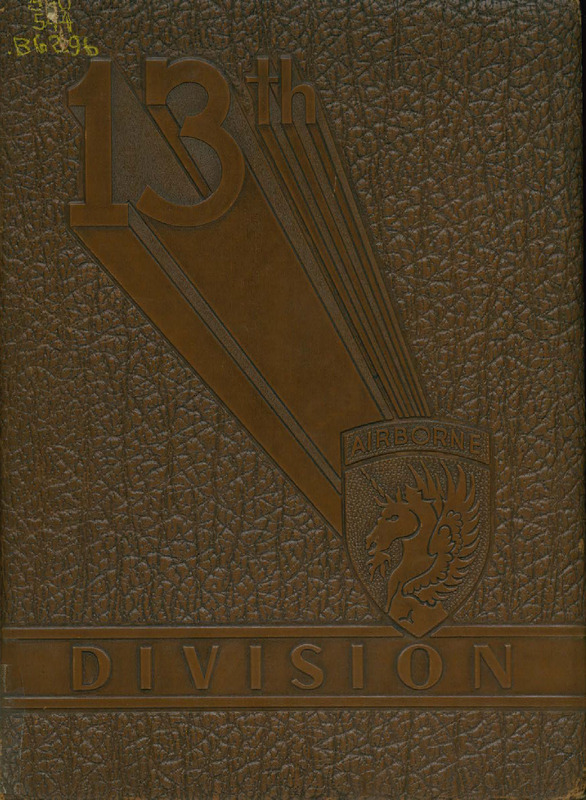
Foreword: In editing this, the history of the 13th Airborne Division, we hope that we have not committed the grievous error of considering our commission as merely a personal honor. We feel that the honor and the high responsibility entailed therewith allows us an opportunity to render a real service to our comrades and to our beloved Division. It is our most sincere hope that in the years to come, when the memory of recent days fade, you may take this book in your lap and recall memories of friends--of trials and triumphs--of days we spent together in the 13th Airborne Division. The Editorial and Management Board
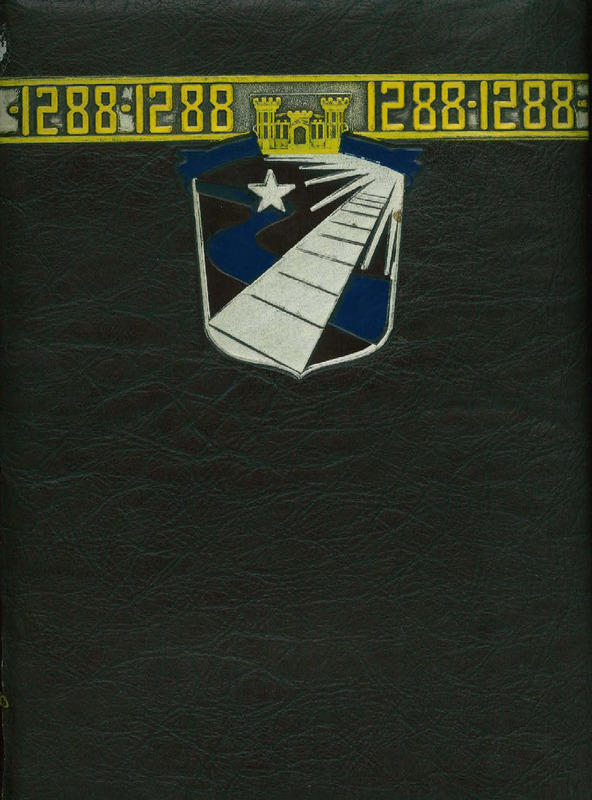
The history of the 1288th Engineer Combat Battalion has been well recorded on film. It is not a story of heroic deeds and battles but it is never-the-less a very interesting one because of the many historic and picturesque places that were either occupied or visited by the personnel of the Battalion. The history of some of the scenes and buildings pictured on the following pages dates back to the Medieval and even Roman eras while in others you see the settings so familiar as the backdrops for the greatest epic of all times, World War II, in which you, the members of the 1288th, had a hand in the making of history.
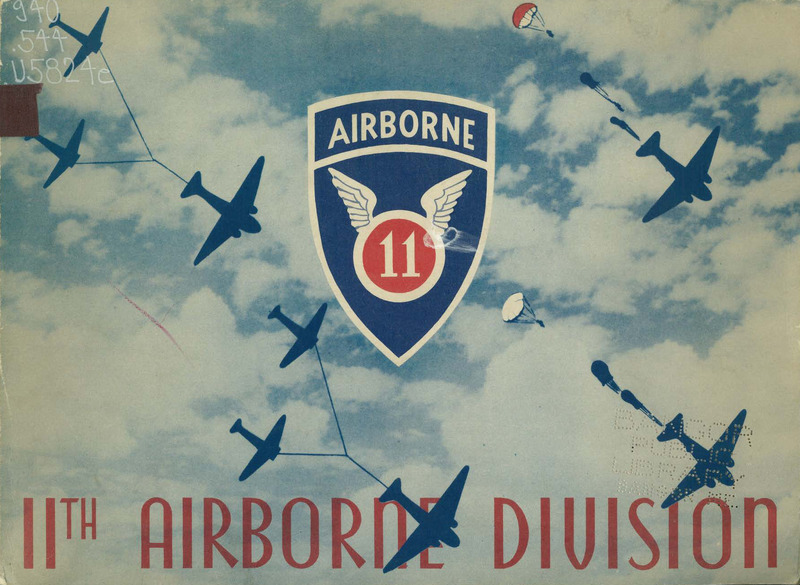
From Division Briefs: "11th Airborne Division: activated February 25, 1943, at Camp Mackall, North Carolina ... Composed of paratroopers and glidermen who have been through the toughest kind of training, including full portions of double time hikes, guerrilla exercises, and bivouacs."
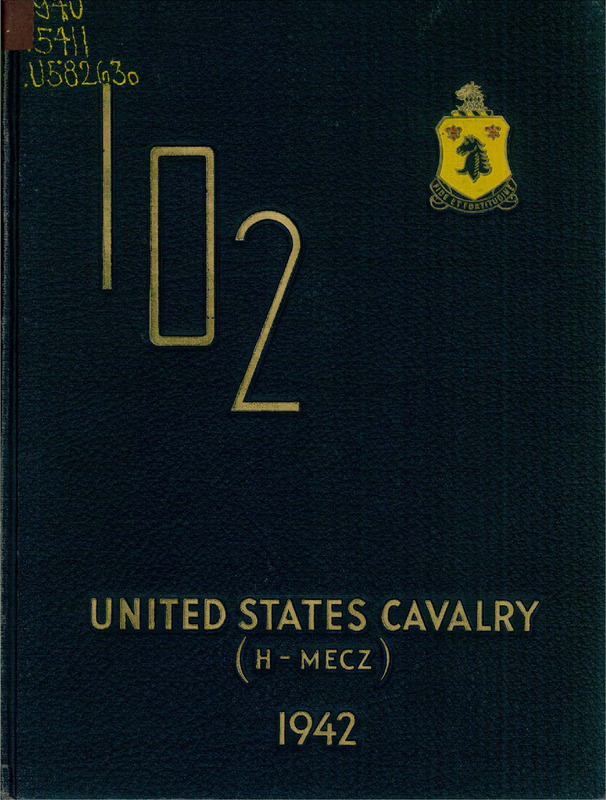
In November of 1940 the War Department, after two years of experimenting in search of a highly mobile ground reconnaissance force, selected seven national guard and two regular army cavalry regiments to be reorganized as "Horse-Mechanized Cavalry." With a new national emergency in sight, and mobilization already under way, the 102nd (Essex Troop) Cavalry was honored by being selected as one of these. The new regiment consisted of a rifle squadron (horse), reconnaissance squadron (mechanized), a headquarters troop and service troop, the latter embodying portee equipment for the horse squadron. From a peacetime strength of about 500 men, the organization jumped to a mobilization table of some 1,500 and active recruiting was started immediately.
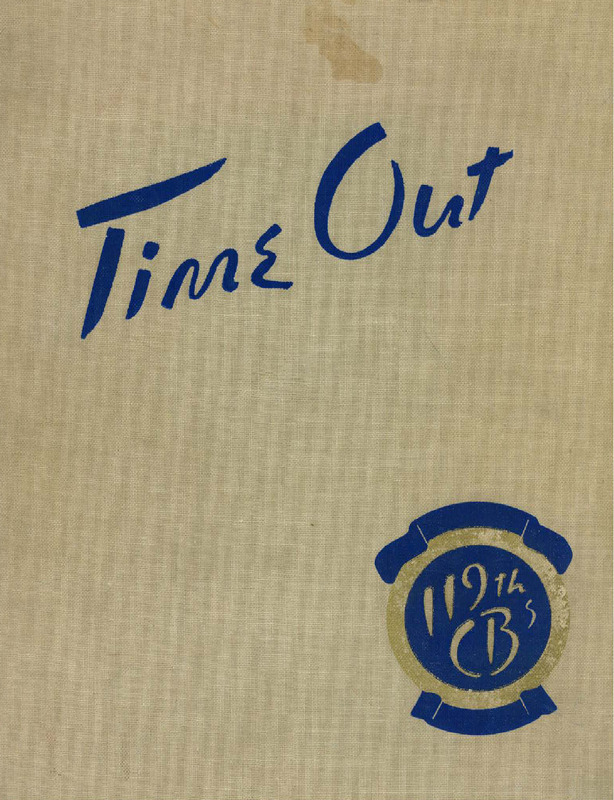
"You'll be sorry!" With those ominous words ringing in their ears, 1082 embryo Seabees, destined to become the 119th Naval Construction Battalion, passed from civilian life into the receiving center at Camp Peary on a prophetic torrid day in July of 1943. "You're in the Navy, Mac. Wipe that grin off your face and line up as your name is called." Men who had been welders, electricians, machinists, carpenters, plumbers, shipfitters, and skilled workers in every trade and profession found themselves on a threshold of a new life. At 5:30 in the early darkness of the next day, the raucous blare of the bugle--their first reveille--awakened them. Sleepy and confused, they were mustered and lined up. They scarcely realized then that for the rest of their service lives they would "sweat out" endless lines for every occasion.
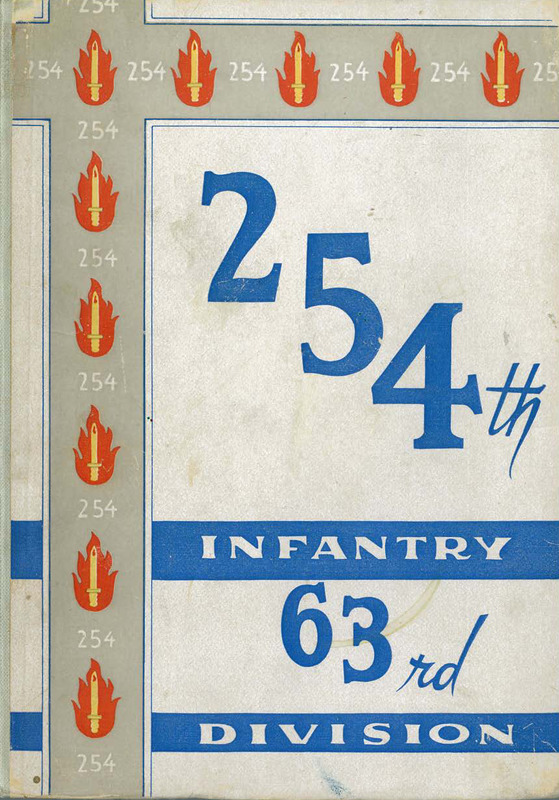
This is the story of one regiment; or rather, it is the story of the men of one regiment. Undoubtedly, the world took little note of the 254th Infantry. To them we were merely a number, a small unit which lost itself in a multitude of small units, a forgotten integer in headlines which screamed only of corps and armies and theaters of war. But to those of us who fought in the regiment, it was the army, the theater, the war. When our casualties were high, the war was a tough one; when we moved rapidly and the land fell to us like wheat before a reaper, the war was going well.
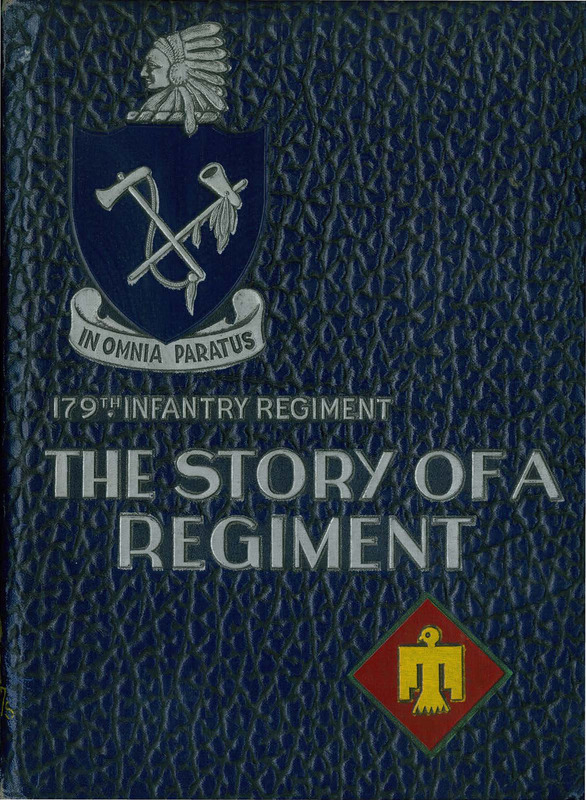
This is the military history of the 179th Regimental Combat Team. As a component of the "fighting 45th" Infantry Division, its story is a revealing one. Through its history can be seen a major portion of the Sicilian and Italian Campaigns, much of the French and German Campaigns--in other words, the war in Europe. Through its history weave the gallantries of the men who made the Regiment; yet by changing names and dates and places, this becomes the story of any combat infantry regiment. Thus, through its history must inevitably flow the life blood of the American soldier.
The 493rd Armored Field Artillery Battalion was activated on 15 September 1942 at Camp Campbell, Kentucky as a part of the 12th Armored Division. Major General Brewer was designated as Division Commander and Major Barry D. Browne the Battalion Commander. Edited by Paul H. Shepard Jr. Written and photographed by officers and men of the battalion
Like all other commands, the IX Air Force Service Command is made up of people--people whose jobs began long before the invasion, endured right up to H-hour and beyond. There were glider pilots, engineers, clerks, mechanics, cooks, doctors, truck drivers; in fact, every conceivable job necessary for victory was filled by an expert who was willing to subordinate everything to the goal ahead. Take the transport pilots, for instance. Red-eyed, flying seemingly endless hours, they operated on a two-way schedule that carried everything from gasoline and guns and bombs to blood plasma and sulfa drugs into Normandy, then carried wounded men back to England on knock-down cots which made ambulances of the Douglas Skytrains. And they did this on schedules which sent ten planes across the Channel every hour. The achievements of the IX Air Force Service Command are many and varied-it is virtually impossible to enumerate all of them. Perhaps it would be better simply to say that it is the "good right arm" of the Ninth Air Force. And when "service" is wanted by the Ninth, it is the Service Command which provides it as quickly as possible.